

The Remarkable Biology Behind Succulents' Success
Succulents represent one of nature's most elegant evolutionary solutions: the ability to thrive in environments where water is scarce and unpredictable. Unlike conventional plants that rely on consistent moisture, succulents have developed specialized tissues called parenchyma cells that expand like sponges to store water in their leaves, stems, and roots. Many succulents also employ Crassulacean Acid Metabolism (CAM) photosynthesis, a clever adaptation that allows them to keep their stomata closed during hot days to prevent water loss, opening them only at night to absorb carbon dioxide. This dual adaptation — water storage and efficient photosynthesis — makes succulents some of the most resilient plants on Earth.
Incredible Diversity: More Than Just Cacti
One of the biggest misconceptions about succulents is that they're all cacti, or that they all look similar. In reality, succulence has evolved independently in over 60 plant families across the globe, resulting in an astonishing variety of forms, colors, and textures. From the translucent windows of Haworthia that allow light into buried leaves, to the chalky farina coating on Echeveria that acts as natural sunscreen, each species has developed unique strategies for survival. This diversity means there's a succulent for virtually every aesthetic preference and growing condition.
- Echeveria — These rosette-forming succulents from Mexico and Central America are the quintessential succulent, with perfectly symmetrical leaf arrangements in shades of green, blue, pink, and purple. Their farina coating gives them an ethereal, pastel appearance that changes with the seasons.
- Haworthia — Native to South Africa, these compact succulents feature fascinating translucent leaf tips that act as light windows, allowing sunlight to penetrate deep into the plant body where chloroplasts perform photosynthesis. Perfect for desks and small spaces.
- Sedum — With over 400 species ranging from creeping groundcovers to upright bushy types, sedums offer incredible versatility. Many are cold-hardy, making them excellent choices for outdoor succulent gardens and green roofs.
- Aloe — Beyond the common aloe vera, the Aloe genus contains over 500 species with wildly varied forms, from compact rosettes to tree-like specimens. Many produce dramatic flower spikes that attract hummingbirds.
- Crassula — The jade plant family includes varieties with stacked triangular leaves, silver-dollar shapes, and even a cultivar that resembles a coral reef. Their sculptural quality makes them natural living art pieces.
Practical Benefits Beyond Aesthetics
Succulents offer numerous practical benefits that explain their enduring appeal. They require up to 80% less water than traditional houseplants, making them environmentally responsible choices in drought-prone regions. Their compact root systems mean they can thrive in small containers, reducing the need for large pots and heavy potting soil. Many succulents also produce oxygen at night (CAM photosynthesis), making them ideal bedroom companions. Aloe vera provides a natural first-aid remedy for burns and skin irritations, while certain Sedum species are used in green roofing systems that reduce building energy costs by up to 25%.
Common Succulent Myths Debunked
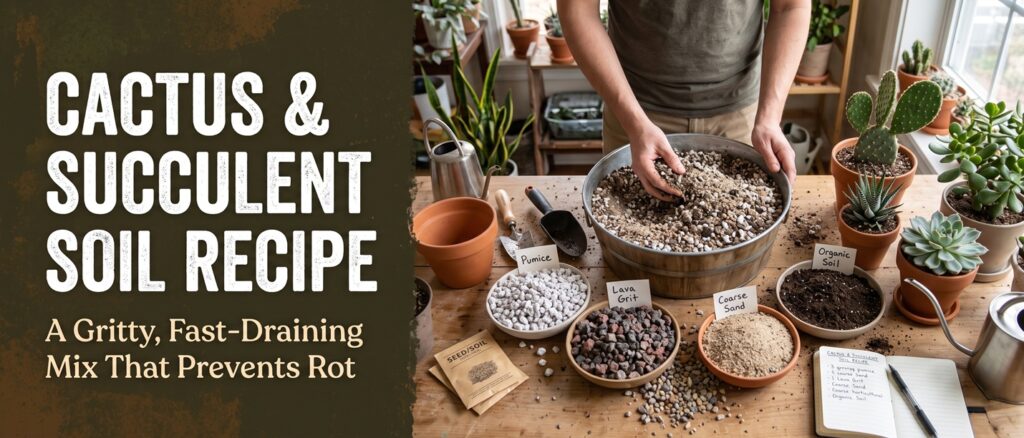
Several persistent myths about succulents lead to care problems. The most dangerous myth is that succulents don't need water — they do, just less frequently and always with good drainage. Another misconception is that all succulents need full sun; many species, especially Haworthia and Gasteria, prefer bright indirect light and will scorch in direct afternoon sun. The idea that succulents thrive in any soil is also false — they require fast-draining soil specifically formulated for cacti and succulents, not standard potting mix. Finally, misting succulents does more harm than good; water should always be applied directly to the soil to avoid promoting fungal growth on the leaves.
💡 Pro Tip: Achieving Perfect Succulent Colors
The vibrant pink, orange, and purple hues that make succulents so photogenic are actually a stress response called 'blushing' or 'sun-stressing.' To encourage these colors, gradually increase light exposure over 2-3 weeks, ensure a 10-15°F temperature drop between day and night, and water slightly less frequently than you normally would. However, always transition slowly — sudden changes in light can cause irreversible sunburn. The sweet spot is bright morning sun with protection from harsh afternoon rays, combined with cool evening temperatures.
Only logged-in users can comment
Sign in or create a free account to join the conversation — it takes less than a minute.