

Why Pet Safety Matters for Plant Parents
If you share your home with cats or dogs, plant toxicity is a genuine concern that deserves serious attention. The ASPCA Animal Poison Control Center receives over 150,000 calls about pet poisoning each year, and many of those incidents involve common houseplants. Symptoms of plant toxicity range from mild stomach upset and drooling to kidney failure, seizures, and in severe cases, death. Knowing which plants are safe and which are dangerous is not just responsible pet ownership — it is essential for creating a home where both your leafy and furry family members can thrive together without constant worry.
The challenge is that many of the most popular and visually appealing houseplants happen to be toxic. Monsteras, pothos, snake plants, and fiddle leaf figs are staples of interior plant styling, yet all contain compounds that can harm curious pets who like to nibble on foliage. Fortunately, there are many equally beautiful alternatives that pose no risk whatsoever, allowing you to maintain a lush, plant-filled home without compromising your pets safety.
Top Pet-Safe Houseplants
These beautiful plants are verified non-toxic to both cats and dogs by the ASPCA:
- Spider Plant (Chlorophytum comosum) — Easy, resilient, and produces cute baby plantlets that dangle from the mother plant. Spider plants are also excellent air purifiers and one of the easiest houseplants to grow
- Boston Fern (Nephrolepis exaltata) — Lush, feathery fronds perfect for hanging baskets and bathroom shelves where humidity is naturally higher
- Prayer Plant (Maranta leuconeura) — Stunning leaf patterns that fold upward at night like praying hands, making it one of the most visually dynamic pet-safe plants
- Parlor Palm (Chamaedorea elegans) — Elegant, slow-growing palm that stays compact and adds a tropical feel without any toxicity risk
- Pilea Peperomioides — The trendy Chinese Money Plant with round coin-like leaves on delicate stems that is completely safe for all pets
- Peperomia varieties — Compact, colorful, and completely pet-safe with hundreds of species to choose from including watermelon, ripple, and red-edge varieties
- Calathea varieties — Dramatic foliage with striking patterns and no toxicity risk. Calatheas are known for their leaf movements and vibrant colors
- String of Hearts (Ceropegia woodii) — Delicate trailing vines with tiny heart-shaped leaves that look beautiful in hanging planters and are entirely non-toxic
Dangerous Plants to Avoid
These common houseplants are toxic and should be kept out of homes with pets:
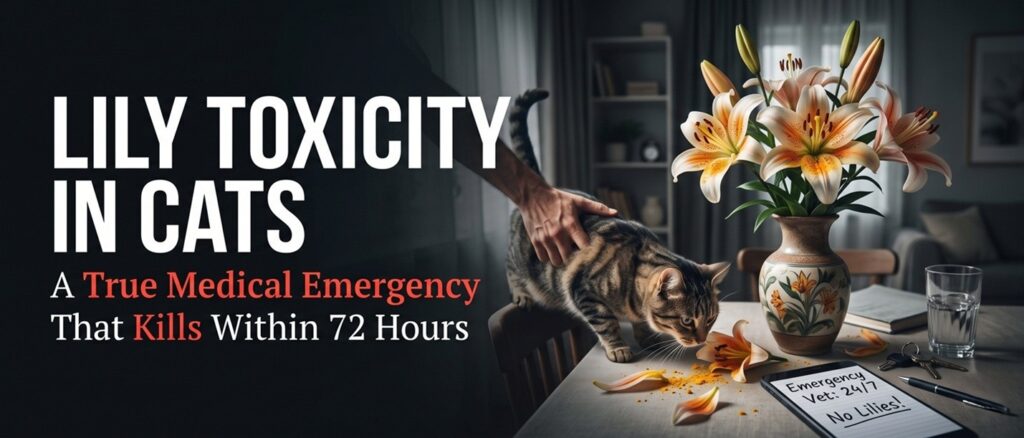
- Lilies (Lilium species) — Extremely toxic to cats; even pollen grooming can cause fatal kidney failure within hours
- Sago Palm — All parts are highly toxic, especially the seeds which can cause liver failure in both cats and dogs
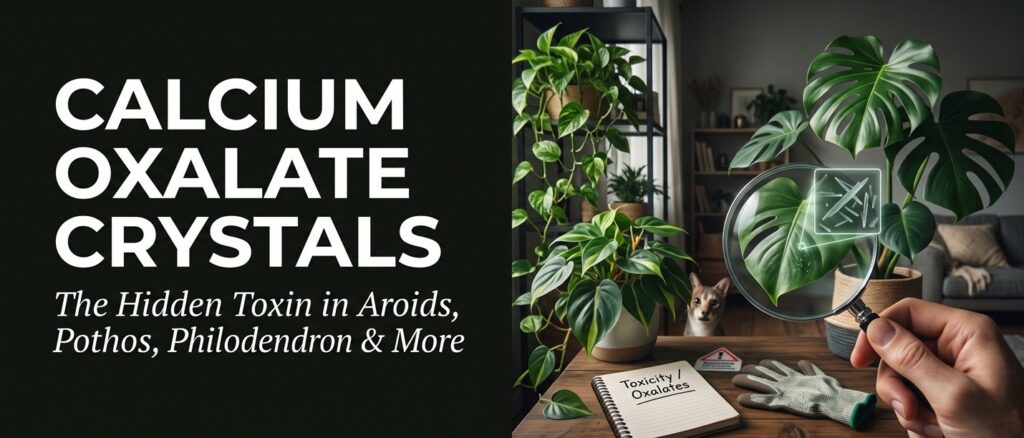
- Pothos (Epipremnum aureum) — Contains insoluble calcium oxalates causing severe oral irritation, drooling, and vomiting
- Dieffenbachia — Dumb Cane causes intense mouth and throat swelling that can block airways in severe cases
- Oleander — All parts are highly toxic to both humans and animals, affecting the heart and cardiovascular system
- Monstera Deliciosa — Calcium oxalate crystals cause mouth pain, swelling, and digestive upset in pets
- Cyclamen — The roots are especially toxic and can cause heart rhythm abnormalities, seizures, and death
- Aloe Vera — While valued for human skin care, aloe is mildly toxic to pets causing vomiting, diarrhea, and lethargy
Creating a Pet-Safe Plant Strategy
Even with pet-safe plants, smart placement reduces the chance of damage to both your plants and your pets. Hanging planters keep trailing vines away from curious paws, while wall-mounted shelves and plant stands elevate greenery beyond reach. For cats that love to climb, dedicate a few lower shelves to cat grass (wheatgrass) or catnip to redirect their attention away from your decorative plants. You can also use citrus peels or diluted citrus spray around the base of plants — most cats and dogs naturally avoid citrus scents.
💡 Tip
If you must keep a toxic plant, place it in a room your pets cannot access. Closed doors, baby gates, and wall-mounted planters are effective barriers. Always research new plants before bringing them home by checking the ASPCA toxic plant database at aspca.org/pet-care/animal-poison-control.
⚠️ Warning
If you suspect your pet has ingested a toxic plant, contact your veterinarian or the ASPCA Poison Control hotline at (888) 426-4435 immediately. Do not wait for symptoms to appear — early treatment dramatically improves outcomes. Keep a sample of the plant for identification purposes.
Only logged-in users can comment
Sign in or create a free account to join the conversation — it takes less than a minute.