

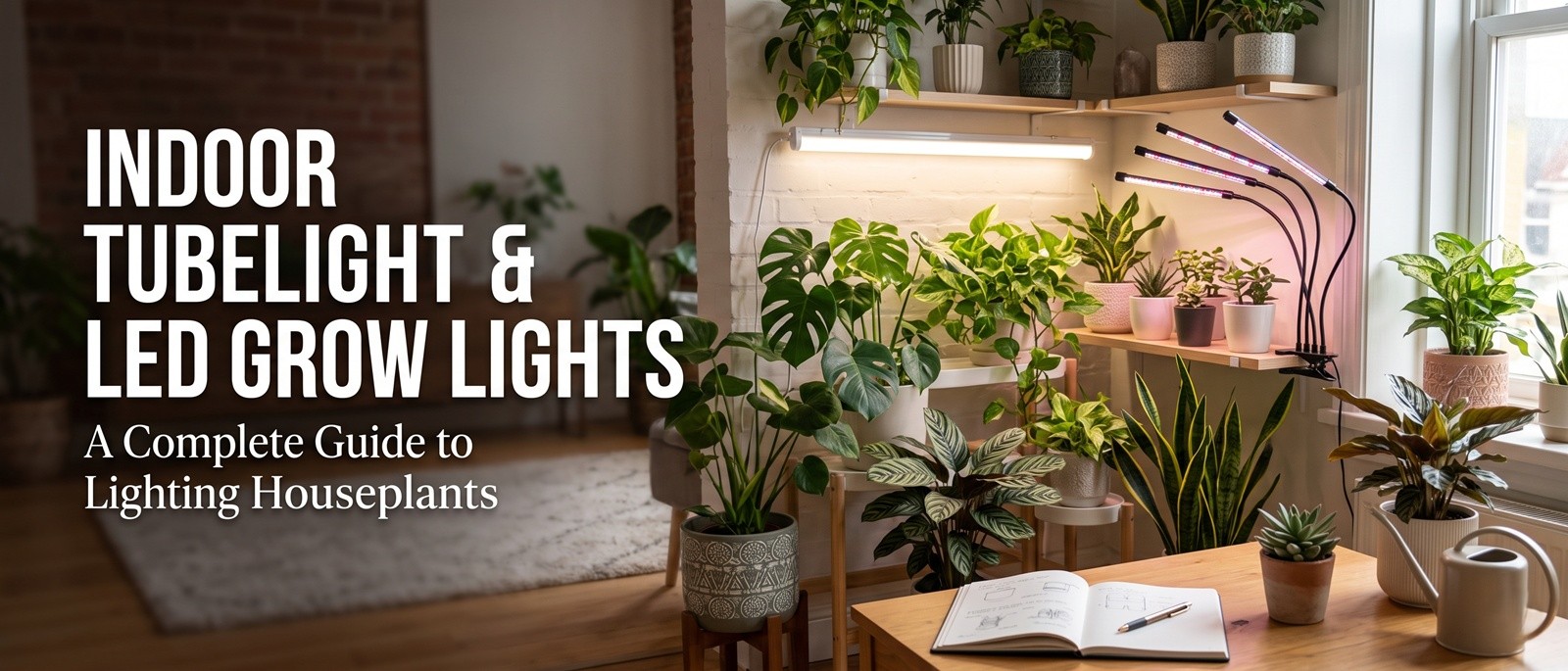
Why Window Light Is Often Not Enough
The human eye is remarkably good at adjusting to a wide range of light intensities, which is why a room that feels bright to you can be dangerously dark for a plant. A sunny south-facing window in summer might deliver 10,000 to 20,000 lux at the leaf surface; a north-facing window in the same room delivers 500 to 1,500 lux; and a corner three meters away from any window delivers 50 to 200 lux. Most foliage houseplants need at least 500 lux for eight hours a day just to survive, and 2,000 to 5,000 lux to actually grow. Flowering plants and succulents need 10,000 lux or more.
This is the fundamental reason houseplants fail in apartments: they are placed in locations that humans perceive as well-lit but that are functionally dark for plants. The plant uses up its stored energy reserves over weeks to months, drops leaves, becomes leggy, and eventually dies. The fix is either to move the plant closer to a window (often impractical in modern apartments with limited window space) or to add artificial lighting. Modern LED technology has made artificial lighting cheap, efficient, and accessible — a basic setup that costs less than a single decorative plant can keep an entire shelf of plants thriving indefinitely.
💡 Tip
Download a free lux meter app on your phone (Lux Light Meter for Android, Light Meter for iOS). Phone sensors are not laboratory-accurate, but they are good enough to distinguish between 'bright indirect' (2,000+ lux), 'medium' (500-2,000 lux), and 'low' (under 500 lux) zones. Measure at the leaf surface, not at your eye level. This single measurement will save you from killing more plants than any other diagnostic.
Tubelight vs LED: What Actually Works
Traditional fluorescent tubelights (T5, T8, T12) have been used for decades by indoor gardeners and commercial growers. They are cheap, reliable, and produce a useful spectrum for plants — particularly the cool-white variants which emit more blue light that drives vegetative growth. A standard 4-foot T8 fixture with two cool-white tubes hung 30 centimeters above the plants delivers about 5,000 to 8,000 lux, which is sufficient for foliage plants and even compact herbs. The downsides are bulk (the fixtures are large), short bulb life (about 10,000 hours before significant output drop), and mercury content.
LED grow lights have largely replaced fluorescents for home use in the last five years. A modern LED fixture of the same physical size as a T8 delivers two to three times the light output, lasts 50,000 hours, contains no mercury, and uses about 40 percent less electricity. The other major advantage of LEDs is spectrum control: a 'full spectrum' LED emits not just white light but also specific wavelengths in the red (660 nm) and blue (450 nm) ranges that plants use most efficiently for photosynthesis. Some higher-end LEDs include infrared and ultraviolet diodes for additional benefits.
⚠️ Warning
Avoid cheap 'purple' LED grow lights that emit only red and blue diodes. While technically efficient for photosynthesis, they make plants look unnatural (purple-tinted), make it impossible to spot pests or nutrient deficiencies visually, and there is growing evidence that the absence of green wavelengths reduces secondary metabolite production. Full-spectrum white LEDs with a small red/blue boost are almost always a better choice for home growers.
Understanding Spectrum: Warm, Cool, and Full
Light color is measured in Kelvin (K). Warm white (2,700-3,000 K) has a yellow-orange tint and is similar to incandescent light; cool white (5,000-6,500 K) has a bluish tint and is similar to daylight; full spectrum (6,500 K with red supplement) attempts to mimic natural sunlight including wavelengths plants use for photosynthesis. For vegetative growth (leaves and stems), blue light in the 4,500-6,500 K range is most effective — it produces compact, bushy plants with thick leaves. For flowering and fruiting, red light (660 nm) triggers bloom hormones.
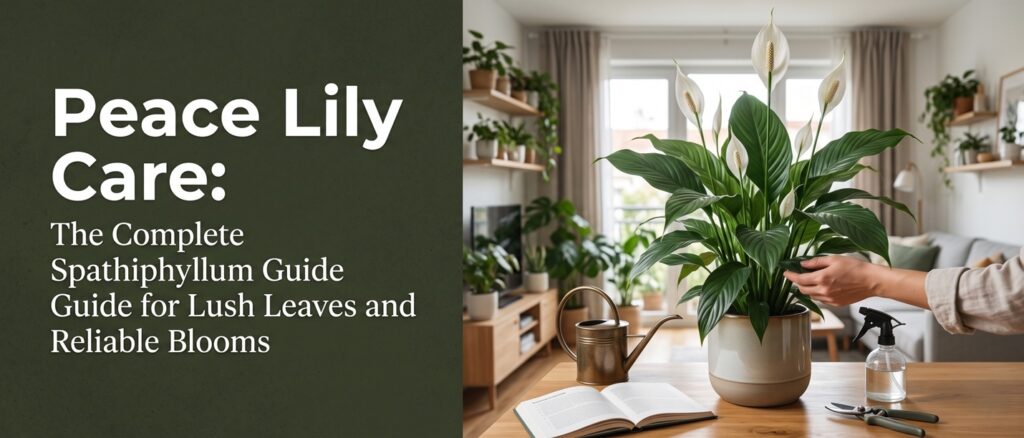
For most houseplants, which are grown for foliage, a cool white or 6,500 K full-spectrum LED is the best single choice. If you are growing plants that should flower indoors (orchids, African violets, peace lilies), choose a full-spectrum LED with a red boost, or pair a cool white and a warm white tube in the same fixture (this is the classic two-tube T8 setup used by orchid growers for decades). The color rendering index (CRI) should be 90 or higher — this measures how accurately colors appear under the light, and a CRI of 80 or below will make plants look washed out or off-color.
Light Distance and Duration
Light intensity falls off with the square of the distance from the source. Doubling the distance between the light and the plant reduces light intensity by 75 percent. A fixture that delivers 10,000 lux at 20 centimeters delivers only 2,500 lux at 40 centimeters and only 1,111 lux at 60 centimeters. This is why hanging a grow light on the ceiling two meters above your plants does almost nothing — the inverse square law has robbed you of nearly all the useful light. For practical houseplant lighting, the light source should be 20 to 45 centimeters above the top of the plant.
Duration matters as much as intensity. Most foliage plants need 12 to 14 hours of artificial light per day; flowering plants need 14 to 16 hours; succulents and cacti need 10 to 12 hours of intense light. Use a simple plug-in timer to automate this — do not rely on remembering to switch the light on and off manually. Plants also need a dark period of at least 8 hours per day; running lights 24 hours a day stresses the plant and disrupts its metabolic cycles, leading to weak growth and increased disease susceptibility.
💡 Tip
A cheap mechanical timer (about $5) is more reliable than a smart timer that depends on Wi-Fi. Set it to turn on at 7 AM and off at 9 PM for a 14-hour photoperiod. If you are using multiple lights on different shelves, put them on the same timer so all plants are on the same schedule — this matters because plants regulate their internal clocks based on consistent light cycles.
Building an Inexpensive Lighting Setup
The most cost-effective setup for a single plant shelf is a 4-foot T8 or LED shop light (the kind sold at hardware stores for garages) suspended 30 centimeters above the shelf with adjustable chains or zip ties. These cost $20 to $40, deliver plenty of light for foliage plants, and cover a 1-by-0.4 meter area. Choose a fixture with a 5,000 K or higher color temperature. If your shelf is deeper than 40 centimeters, use two fixtures side by side to cover the depth.
For individual plants in decorative pots, clamp-on LED grow lights with adjustable goosenecks ($15 to $30) work well for single plants up to 60 centimeters tall. For collections of small plants, LED shop lights are more cost-effective per unit of light than decorative grow bulbs. Avoid the cheap LED 'bulbs' that screw into standard lamps — they typically produce only 1,000 to 2,000 lux at any meaningful distance, which is sufficient for seedlings but not for mature houseplants.
Recommended budget setup components for a 1-meter plant shelf:
- 1x 4-foot LED shop light, 5,000K, 4,000 lumens ($25-$40)
- 2x ceiling hooks or shelf brackets ($3)
- 2x small chains or adjustable nylon straps ($5)
- 1x mechanical plug-in timer ($5-$10)
- Optional: smart plug instead of timer if you want phone control ($15)
Best Plants for Artificial Light
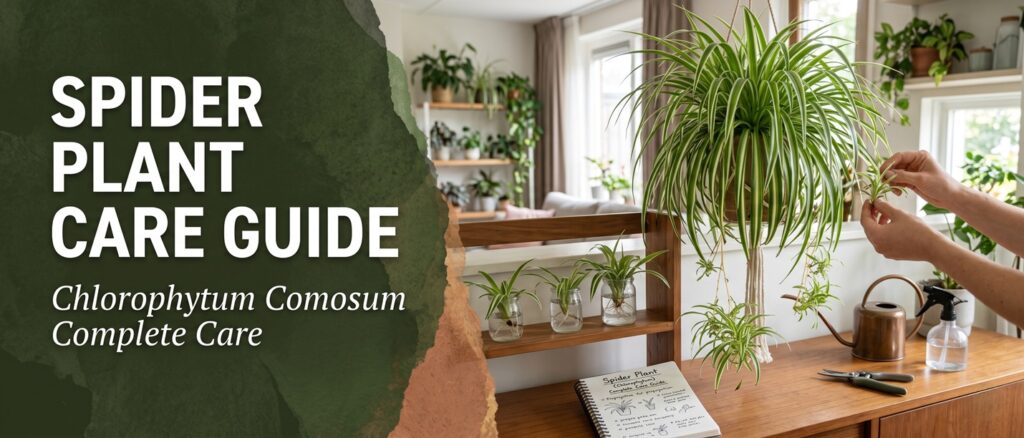
Almost any houseplant will grow under proper artificial lighting, but some plants are particularly well-suited to indoor lighting setups. Pothos, philodendron, and monstera grow vigorously under shop lights and develop larger leaves than they would in window light. Spider plants, prayer plants, and peperomia thrive under medium-intensity artificial light. Herbs like basil, mint, and oregano can be grown year-round under lights for a continuous kitchen harvest. Lettuce, spinach, and other leafy greens grow exceptionally well under cool-white LEDs and can be harvested in 30 to 45 days from sowing.
Plants that are challenging under artificial light include most fruiting vegetables (tomatoes, peppers, eggplants) which need intense red light and warm temperatures to set fruit, and full-sun succulents (cacti, euphorbias, haworthia) which need more light intensity than basic LEDs can provide. If you want to grow these under lights, you need higher-end fixtures specifically rated for high PPFD (Photosynthetic Photon Flux Density). For most home growers, sticking to foliage plants and herbs is the right move — they reward modest lighting investment with lush, healthy growth.
💡 Tip
If you are growing herbs for kitchen use, set up a dedicated two-tier shelf with shop lights over each tier. Start new seeds every two weeks so you always have fresh plants coming along as older plants are harvested. A 1-meter by 0.4-meter shelf can produce enough basil, mint, cilantro, and oregano to supply a typical household year-round, replacing expensive store-bought herb packets.
Only logged-in users can comment
Sign in or create a free account to join the conversation — it takes less than a minute.