

Why Low Maintenance Indoor Plants Are Perfect for Busy Lifestyles
In today's fast-paced world, finding time for regular plant care can be challenging. Low maintenance indoor plants offer the perfect balance between enjoying the beauty and health benefits of houseplants without the demanding care schedule that many tropical species require. These resilient plants have evolved sophisticated survival mechanisms — from water-storing succulent leaves to efficient photosynthesis pathways — that allow them to thrive even when their owners occasionally forget to water them. Whether you're a busy professional, a frequent traveler, or simply new to plant parenthood, low maintenance plants are the ideal starting point for building your indoor garden.
Top 7 Low Maintenance Indoor Plants You Can't Kill
These seven resilient houseplants have earned their reputation as virtually indestructible. Each one tolerates irregular watering, varying light conditions, and typical household temperatures with remarkable grace.
- Snake Plant (Sansevieria trifasciata) — The ultimate survivor, snake plants tolerate low light, infrequent watering, and neglect like no other. Their upright, architectural leaves add a modern touch to any room, and they're among the best air-purifying plants according to NASA's Clean Air Study. Water only when the soil is completely dry — typically every 2-3 weeks.
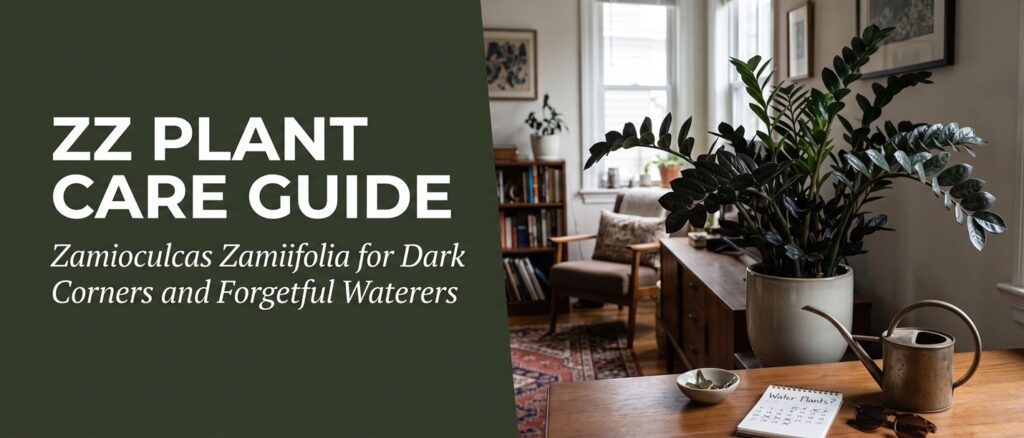
- ZZ Plant (Zamioculcas zamiifolia) — With its glossy, dark green leaves and tolerance for low light, the ZZ plant is perfect for offices and dim apartments. Its rhizomes store water underground, allowing it to survive months without irrigation. This African native is one of the lowest maintenance houseplants available.
- Pothos (Epipremnum aureum) — Known as devil's ivy for its near-indestructible nature, pothos thrives in everything from low light to bright indirect light. Its trailing vines look stunning in hanging baskets or climbing a moss pole. Water when the top inch of soil feels dry, and it will reward you with vigorous growth.
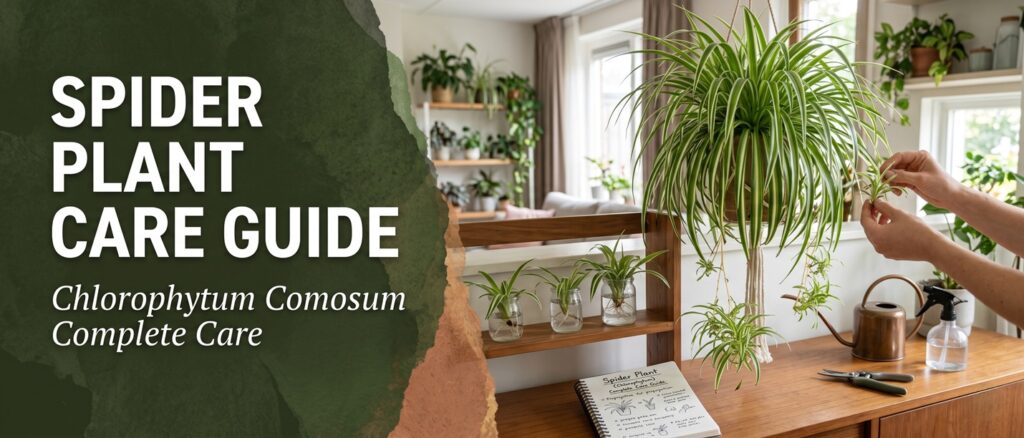
- Spider Plant (Chlorophytum comosum) — An excellent choice for beginners, spider plants adapt to a wide range of conditions and produce charming baby plantlets that you can propagate easily. They prefer bright indirect light but tolerate lower light levels. Allow the soil to dry between waterings.
- Cast Iron Plant (Aspidistra elatior) — Living up to its name, the cast iron plant withstands neglect, low light, dust, and temperature fluctuations that would kill most other houseplants. Its broad, dark green leaves bring a tropical feel to any space with minimal effort.
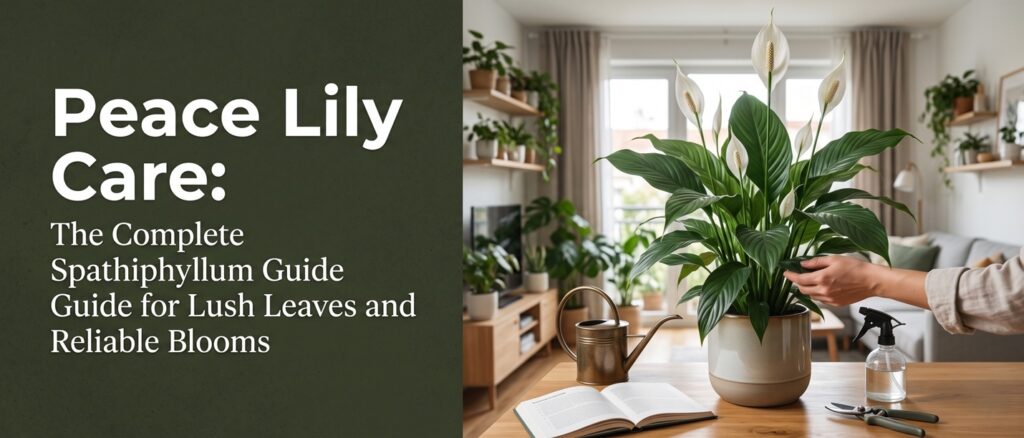
- Peace Lily (Spathiphyllum) — While it prefers consistent moisture, the peace Lily is remarkably forgiving — it will dramatically droop when thirsty and bounce back quickly after watering. This visual cue makes it easy to know exactly when it needs attention. It also produces elegant white blooms in low to medium light.
- Chinese Evergreen (Aglaonema) — Available in stunning varieties with pink, red, and silver-patterned leaves, Chinese evergreens are as decorative as they are easy to care for. They tolerate low light and irregular watering, making them ideal for bedrooms and offices.
Essential Care Tips for Low Maintenance Plants
Even the most resilient plants benefit from basic care principles. Following these guidelines will keep your low maintenance indoor plants healthy and thriving for years to come, while still requiring only minutes of attention per week.
- Water deeply but infrequently — Most low maintenance plants prefer to dry out completely between waterings. Overwatering kills more houseplants than underwatering. When you do water, saturate the soil until it drains from the bottom of the pot.
- Use well-draining soil — A standard potting mix amended with perlite or orchid bark provides the drainage these plants need. Avoid heavy garden soil that retains too much moisture and can lead to root rot.
- Choose the right pot — Always use containers with drainage holes. Terracotta pots are excellent for moisture-loving plants because they allow excess water to evaporate through their porous walls.
- Provide indirect light — Most low maintenance plants evolved as forest understory species and prefer bright indirect light. A north or east-facing window is ideal, though many tolerate low light conditions.
- Fertilize sparingly — These plants need minimal feeding. Apply a diluted balanced fertilizer once during spring and once during summer. Over-fertilizing can cause more harm than good.
Common Mistakes to Avoid with Low Maintenance Plants
Even easy-care plants can suffer if you make these common errors. The biggest mistake is overwatering — more low maintenance plants die from too much attention than too little. Other pitfalls include placing them in direct sunlight (which scorches their leaves), using pots without drainage, and repotting too frequently. Remember that these plants have evolved to survive harsh conditions; your goal is to provide a stable environment, not to pamper them.
💡 Pro Tip: The Soak-and-Dry Method
The most effective watering technique for low maintenance indoor plants is the soak-and-dry method. Wait until the soil is completely dry (check by inserting your finger two inches into the soil), then water thoroughly until it runs out the drainage holes. Empty the saucer after 30 minutes to prevent root rot. This approach mimics the natural wet-dry cycles these plants experience in their native habitats, promoting healthy root development and preventing fungal diseases.
Only logged-in users can comment
Sign in or create a free account to join the conversation — it takes less than a minute.