

Understanding Low-Light Conditions in Your Home
Before selecting plants for dark rooms, it's important to understand what 'low light' actually means in indoor gardening terms. Low light doesn't mean no light — all plants need some light to photosynthesize. In practice, low light refers to areas that receive 25-75 foot-candles of illumination, such as north-facing windows, rooms with small windows, or spots more than 8 feet from any window. Understanding your space's actual light conditions helps you choose plants that will truly thrive rather than merely survive. You can use a light meter app on your phone to measure the light levels in different areas of your home before selecting plants.
Best Plants for Dark Rooms and Low-Light Spaces
These shade-loving species evolved in the dappled understory of tropical and temperate forests, where they receive only filtered sunlight through the canopy above. This evolutionary history makes them perfectly adapted to the low-light conditions found in many homes and offices.
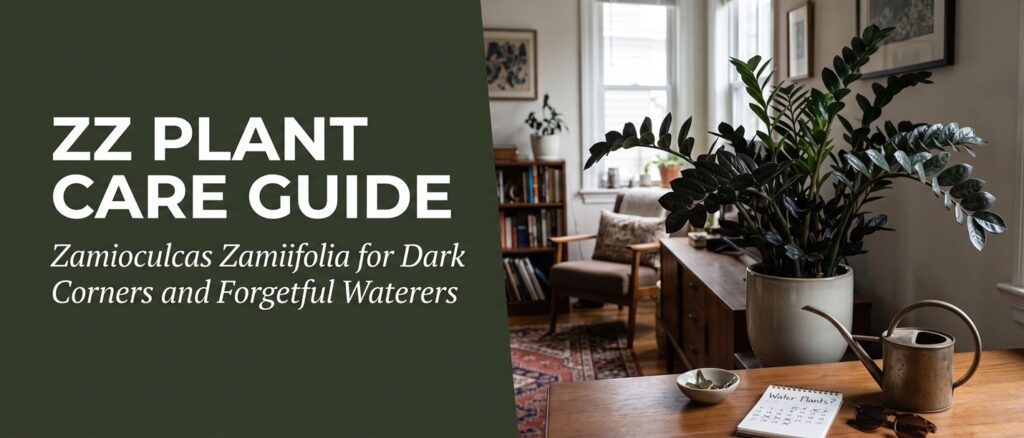
- ZZ Plant (Zamioculcas zamiifolia) — Perhaps the ultimate low-light champion, the ZZ plant thrives in conditions that would kill most other houseplants. Its waxy, dark green leaves efficiently capture available light, and its thick rhizomes store water and energy for extended periods of neglect. It will survive in corners with only fluorescent light.
- Pothos (Epipremnum aureum) — Extremely adaptable, pothos grows in everything from bright indirect light to near-darkness. In low light, its growth slows and variegation may revert to solid green, but the plant remains healthy and attractive. Its trailing vines add life to dark bookshelves and high corners.
- Snake Plant (Sansevieria) — While snake plants prefer bright indirect light, they tolerate very low light with remarkable resilience. They'll grow more slowly in dark corners but maintain their architectural shape and air-purifying abilities. They're ideal for windowless bathrooms and hallways.
- Cast Iron Plant (Aspidistra elatior) — Named for its indestructible nature, the cast iron plant was a favorite in dim Victorian parlors where gas lighting was the only illumination. Its broad, dark leaves efficiently capture minimal light, and it tolerates dust, neglect, and poor air circulation.
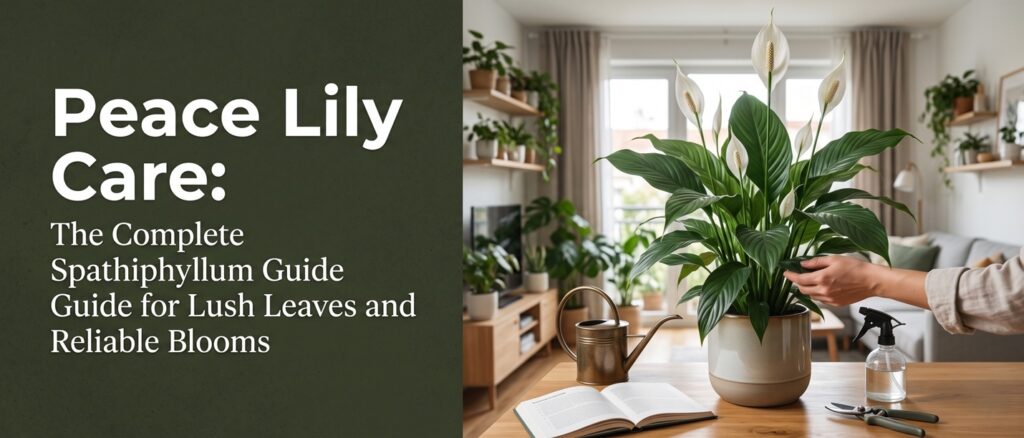
- Peace Lily (Spathiphyllum) — Peace lilies naturally grow on tropical forest floors in deep shade. While they bloom best in medium light, they maintain healthy foliage in very low light conditions. Their dark green leaves add a lush, tropical feel to any dim space.
- Parlor Palm (Chamaedorea elegans) — This compact palm naturally grows in the shade of larger trees in Mexican rainforests. It maintains its graceful, feathery fronds in low light and adds vertical interest without requiring much horizontal space.
Tips for Growing Plants in Low-Light Rooms
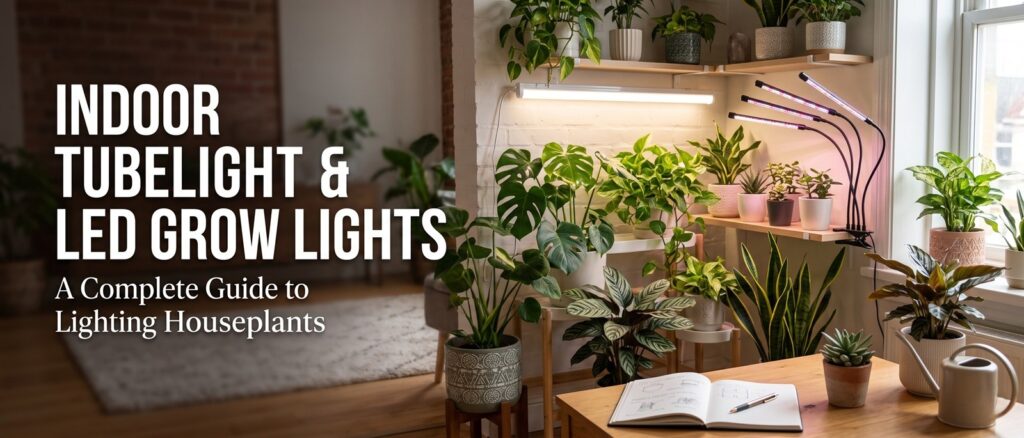
Successfully growing plants in dark spaces requires adjusting your care routine to match the reduced light conditions. Plants in low light use less water, grow more slowly, and need less fertilizer than their sun-drenched counterparts. Overwatering is the most common cause of death for low-light plants, as the soil takes much longer to dry out without the evaporation that sunlight drives. Water only when the top two inches of soil are completely dry, reduce fertilization to once or twice per year, and rotate plants quarterly to ensure even growth. Consider supplementing with a full-spectrum grow light for a few hours daily if you want faster growth or flowering.
⚠️ Warning: Signs Your Plant Needs More Light
Even low-light tolerant plants have their limits. Watch for these warning signs that indicate your plant isn't getting enough light: stems that grow long and leggy with large gaps between leaves (etiolation), leaves that turn pale green or yellow, new leaves that are significantly smaller than older ones, the plant leaning dramatically toward any light source, or slow to no new growth for extended periods. If you notice these symptoms, move the plant closer to a window or supplement with artificial grow lights.
💡 Pro Tip: Mirror Trick for Dark Rooms
Place a mirror opposite or adjacent to your plant in a dark room. The mirror reflects and amplifies available light, effectively doubling the illumination reaching your plant. This simple technique can make the difference between a plant that merely survives and one that actually thrives. Alternatively, painting walls in light, reflective colors and using sheer curtains instead of heavy drapes can significantly increase the ambient light levels in any room without adding electrical lighting.
Only logged-in users can comment
Sign in or create a free account to join the conversation — it takes less than a minute.