

Why Renter-Friendly Plants Are Different
Rented apartments impose constraints that homeowner gardens do not. You cannot install built-in shelving, hang heavy planters from the ceiling, or plant directly in the ground. Light is often limited (north-facing windows, partially shaded balconies). Watering is a chore that you may neglect during a busy week. And every year or two, you move — which means your plants need to survive being boxed up, transported, and re-acclimated to a new space. The plants that thrive under these conditions are a specific subset: tough, adaptable, slow-growing, and forgiving of neglect.
The good news is that this subset includes many of the most popular and beautiful houseplants. The same traits that make a plant renter-friendly — low light tolerance, infrequent watering needs, slow growth, resilience to handling — also make it beginner-friendly and easy to maintain. A renter's plant collection can be just as lush and beautiful as a homeowner's, with the added advantage that you can take it with you when you move. Plant pots are the only furniture that improves every apartment you live in.
💡 Tip
When buying plants as a renter, prioritize small to medium sizes (15 to 60 centimeters tall). Large plants are dramatic but difficult to move and expensive to replace if damaged in transit. A collection of small plants in coordinated pots is more flexible, easier to rearrange when you want a fresh look, and much easier to transport. Add a large plant or two only once you are confident you will be in the same apartment for several years.
The 12 Best Plants for Rented Apartments
Top renter-friendly houseplants, ranked by resilience and adaptability:
- Pothos (Epipremnum aureum) — tolerates low light, irregular watering, grows fast, easy to propagate
- Snake plant (Sansevieria) — virtually indestructible, tolerates any light, water every 3-6 weeks
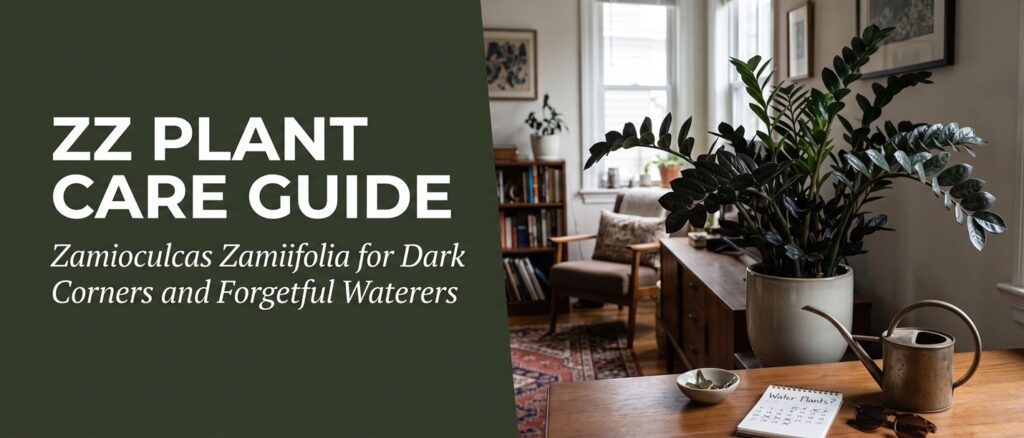
- ZZ plant (Zamioculcas zamiifolia) — thrives on neglect, slow-growing, perfect for dark corners
- Heart-leaf philodendron — similar to pothos, slightly softer leaves, beautiful trailing
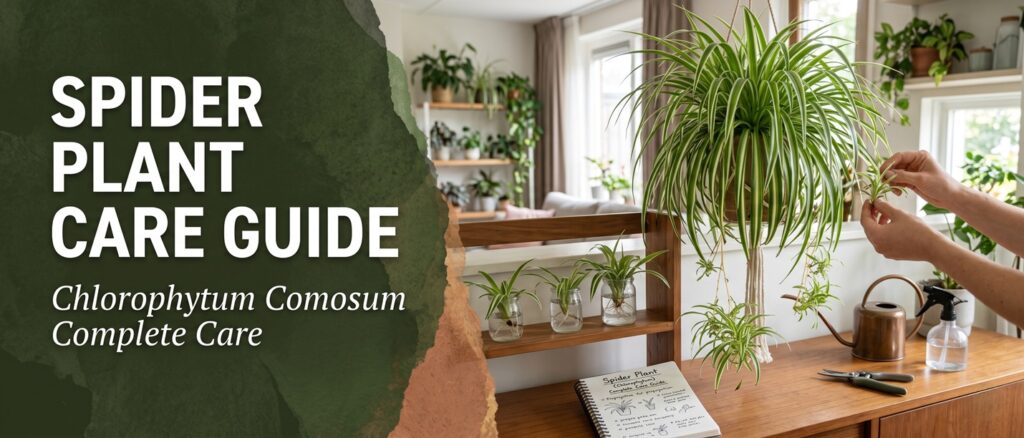
- Spider plant (Chlorophytum comosum) — produces babies you can propagate, tolerates irregular care
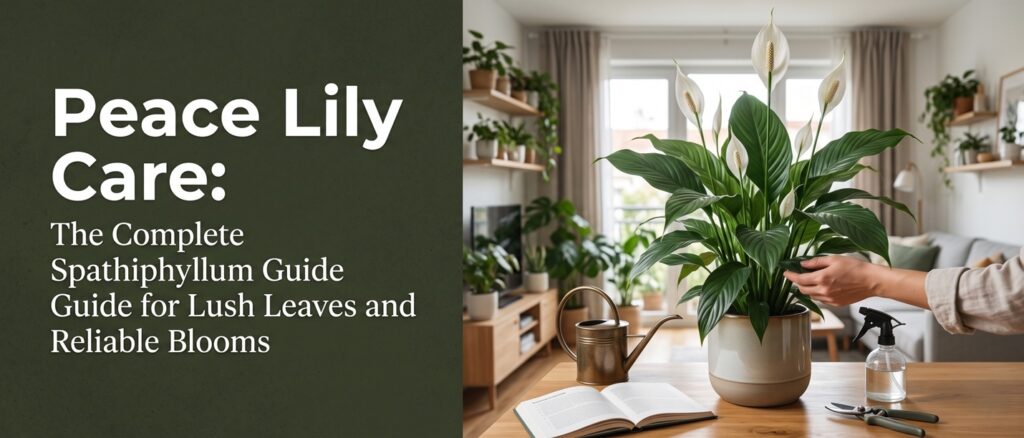
- Peace lily (Spathiphyllum) — tells you when it needs water by drooping, recovers within hours
- Monstera deliciosa — slow-growing, statement plant, tolerates apartment light well
- Cast iron plant (Aspidistra elatior) — name says it all, survives almost any condition
- Chinese evergreen (Aglaonema) — colorful foliage, low light tolerant, slow-growing
- Rubber plant (Ficus elastica) — upright growth habit, tolerates some neglect
- Air plants (Tillandsia) — no soil needed, easy to move, soak weekly
- Aloe vera — useful, low-water, sun-loving for bright windowsills
Pothos: The Ultimate Renter Plant
If you can only have one plant in your rented apartment, make it a pothos. Pothos (Epipremnum aureum) is a tropical vine from French Polynesia that has become the world's most popular houseplant for good reason. It tolerates almost any light condition from deep shade to bright indirect light, requires watering only when the top few centimeters of soil are dry (every 7 to 14 days), grows rapidly enough to be rewarding but not so fast it outgrows the space, and is trivially easy to propagate from cuttings in water. A single plant can be multiplied into dozens within a year.
Pothos comes in many cultivars with different leaf colors and shapes: Golden pothos (yellow variegation), Marble Queen (white variegation), Neon (bright lime green), Jade (solid green), Manjula (creamy white variegation), and Cebu Blue (silvery blue-green). All share the same tough constitution. Grow pothos in a hanging basket to trail, train it up a moss pole to climb, or let it sprawl across a shelf. Prune it aggressively to keep it bushy — every cutting grows easily in water and can be planted back into the same pot for a fuller plant or shared with friends.
⚠️ Warning
Pothos is toxic to cats and dogs (and humans) due to calcium oxalate crystals. The crystals cause mouth irritation, drooling, and vomiting if ingested. If you have pets that chew plants, hang pothos out of reach or choose pet-safe alternatives such as spider plant, peperomia, or parlor palm. Most dogs leave pothos alone because of the unpleasant taste, but cats are notorious for chewing on the trailing vines.
Snake Plant: The Indestructible Choice
Snake plant (Sansevieria, now reclassified as Dracaena trifasciata) is the plant most likely to survive anything you throw at it — neglect, low light, irregular watering, dust, drafts, moves between apartments. Its thick upright leaves store water, allowing it to go weeks between waterings. It tolerates any light from deep shade to direct sun (though it grows fastest in bright indirect light). It grows slowly, so it does not outgrow the space. And it is one of the few plants that actually improves air quality at night, making it ideal for bedrooms.
The main mistake renters make with snake plants is overwatering. The plant can survive months without water but will rot and die within weeks if watered too frequently. Water only when the soil is completely dry — every 3 to 4 weeks in summer, every 6 to 8 weeks in winter. Use a fast-draining cactus mix and a pot with a drainage hole. Snake plants come in many forms: the classic Laurentii (yellow-edged), Moonshine (silvery leaves), Hahnii (bird's nest, compact), and cylindrical (round leaves). All are equally tough.
Renter-Friendly Plant Display Ideas
The challenge of displaying plants in a rented apartment is doing so without damaging walls, floors, or fixtures that you will lose your deposit over. The good news is that there are many display options that require no permanent installation. Free-standing plant stands (wooden, metal, or bamboo) hold multiple plants in a small footprint and can be moved intact. Tension rods in window frames support hanging baskets without any drilling. Adhesive hooks rated for 2 to 5 kilograms can hold small hanging plants on smooth walls, and modern adhesive formulations (such as 3M Command strips) remove cleanly without residue.
Bookshelves are ideal plant displays — fill empty shelves with small plants in matching pots, or dedicate an entire shelf to a plant collection. The top of bookcases and wardrobes is dead space perfect for trailing plants. Window sills can hold a row of small plants (use trays to catch drainage). Floor plants in decorative pots soften corners and break up empty walls. Avoid hanging anything heavy from the ceiling — most rental ceilings are drywall or popcorn finish that cannot support weight and cannot be repaired easily if damaged.
💡 Tip
Invest in a few high-quality decorative pots (cache pots) in a consistent color and material. Cheap plastic nursery pots are fine for growing, but slip them inside ceramic or woven baskets for display. When you move, the cache pots travel easily and instantly make your new apartment feel like home. A single collection of plants in coordinating pots does more to make a rental feel personal than any amount of furniture or art.
Moving Plants Between Apartments
When you move, plants are among the most delicate items to transport. Prepare them a week in advance by pruning any leggy growth, checking for pests, and reducing watering slightly (plants tolerate handling better when on the dry side). On moving day, wrap tall plants in tissue paper or bubble wrap to protect leaves, and pack small plants in boxes with crumpled paper between pots to prevent tipping. Transport plants in your personal vehicle (not the moving truck), where you can control temperature and ensure they are not crushed by other items.
In the new apartment, give plants time to acclimate. Light, humidity, and temperature will all be different, and plants may drop leaves or look stressed for 4 to 6 weeks as they adjust. Do not repot immediately — wait at least a month for the plant to settle in before changing its soil. Do not fertilize for the first 2 to 3 months. Keep plants away from heating vents, air conditioners, and drafty windows in the new space. With a little patience, almost any houseplant will recover fully and resume growth within a few months of a move.
Only logged-in users can comment
Sign in or create a free account to join the conversation — it takes less than a minute.