

The Plant That Took Over Instagram
Monstera deliciosa — the Swiss cheese plant — has become the defining houseplant of the past decade, and for good reason. Its huge, glossy, heart-shaped leaves develop dramatic splits and holes (called fenestrations) as the plant matures, creating a sculptural tropical statement that works as well in a minimalist apartment as in a lush bohemian living room. Under the right conditions, a Monstera can produce leaves three feet across within a few years.
Native to the rainforests of southern Mexico and Panama, Monstera deliciosa is a climbing hemiepiphyte. It starts life as a seedling on the forest floor, then climbs trees using aerial roots, eventually reaching the canopy where mature leaves develop their iconic holes. Understanding this climbing heritage is the key to growing a truly spectacular specimen indoors.
Light: Bright, Warm, and Indirect
Monsteras want bright, indirect light — the kind found within a few feet of an east- or west-facing window, or a few feet back from a south-facing window. In their native rainforest understory, they receive dappled sunlight filtered through the canopy. Direct sun, especially in summer, scorches the leaves with pale brown patches that never heal. Too little light, on the other hand, produces small leaves without fenestrations and long, weak stems that flop over.
A Monstera growing in optimal light develops large leaves with multiple rows of holes and splits, a sturdy upright habit, and steady new growth. A plant in dim light grows slowly, with small, unsplit leaves on long petioles. If your Monstera has stopped fenestrating, the most likely cause is insufficient light — moving it closer to a window usually solves the problem within a few months.
💡 Tip
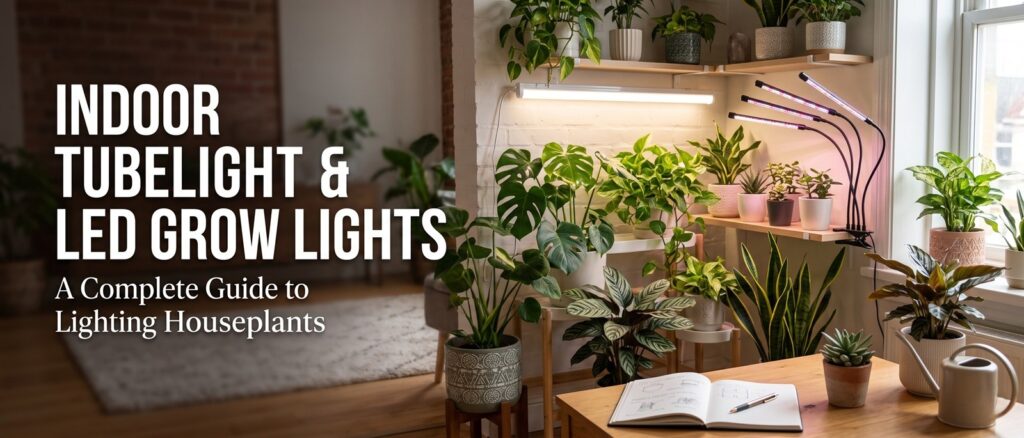
If you do not have a bright window, a full-spectrum LED grow light positioned 18-24 inches above the plant for 10-12 hours a day will support healthy growth and fenestration.
Watering Strategy
Water your Monstera when the top two inches of potting mix feel dry — typically every 7-10 days in spring and summer, and every 2-3 weeks in winter. Water thoroughly until it runs from the drainage holes, then empty the drip tray after 30 minutes. The goal is to soak the root ball completely and then let it dry to the touch before the next watering.
Monsteras are surprisingly tolerant of drying out — a missed watering causes the leaves to droop dramatically, but the plant recovers within hours once watered. They are far less tolerant of constantly wet soil, which causes yellowing lower leaves and root rot. If the lower leaves are turning yellow and the soil feels soggy, hold off on water and check the roots for soft, black, foul-smelling sections.
Humidity: The Secret to Perfect Leaves
As tropical plants, Monsteras prefer humidity above 50%. In average homes with winter heating, humidity often drops below 30%, which causes crispy brown edges on the leaves and slow growth. The simplest fix is a room humidifier placed near the plant, which benefits people and furniture as well as the plants. Grouping plants together also raises local humidity by several percentage points.
Misting is sometimes recommended but provides only a brief, minimal humidity boost and can promote leaf disease if the leaves stay wet. Pebble trays filled with water beneath the pot help slightly, but the effect is limited. A humidifier is the only reliable solution in dry climates.
Aerial Roots: What They Are and What to Do With Them
As your Monstera matures, it will produce long, woody roots that grow from nodes along the stem, above the soil line. These aerial roots evolved to anchor the plant to trees in the rainforest and to absorb moisture and nutrients from the air and debris. Indoors, they often dangle awkwardly or creep across the floor, which alarms new owners but is completely normal and healthy.
Options for managing aerial roots:
- Direct them into the soil of the pot, where they will root and help support the plant. This is the simplest approach and mimics what the plant does in nature.
- Train them onto a moss pole or coconut coir pole, misting the pole regularly so the roots can absorb moisture. This encourages upward growth and larger leaves.
- Tuck them gently behind the stake or trellis supporting the plant, where they are out of sight but still functional.
- Cut them off if they are truly in the way. The plant will not be harmed, but it will simply grow more aerial roots from the next node up.
Support: Why Your Monstera Needs a Pole
Without support, a maturing Monstera will eventually flop over under the weight of its own leaves, and the stem may snap or kink. Providing a climbing support is essential for any plant you want to grow beyond about three feet tall. A moss pole — a cylinder of sphagnum moss wrapped in netting — is the gold standard, because the aerial roots can grow into it and the moss can be kept moist to provide humidity directly to the roots.
Insert the pole into the pot when repotting, positioning it close to the main stem. Gently tie the stem to the pole with soft plant ties, twine, or strips of old pantyhose, looping in a figure-eight so the tie does not cut into the stem. As new growth emerges, continue training it up the pole. Keep the moss moist by spraying it with water weekly. Plants grown on moss poles consistently produce larger, more heavily fenestrated leaves than unsupported plants.
Encouraging Fenestrations
The splits and holes that make Monstera leaves so iconic develop only on mature plants — typically those at least 2-3 years old with leaves at least 8 inches across. Juvenile plants produce solid heart-shaped leaves, and there is no way to force a young plant to fenestrate. Patience is required.
Once a plant is mature enough, three factors determine whether new leaves will split: light, support, and maturity of the growth point. Bright indirect light provides the energy needed to produce complex leaves. Climbing support triggers the plant's mature growth habit. And allowing the plant to grow uninterrupted — without taking cuttings from the top — lets it reach the physiological maturity that signals fenestration. With all three in place, each new leaf will be larger and more elaborately split than the last.
When and How to Repot
Repot your Monstera every 1-2 years, when roots are circling the bottom of the pot or growing out of the drainage holes. Choose a pot only 2 inches wider than the current one — too large a pot holds excess moisture and invites root rot. Spring is the best time to repot, when the plant is entering its active growth period and can recover quickly.
Repotting steps:
- Water the plant a day before repotting so the root ball holds together.
- Tip the pot on its side and ease the plant out, supporting the stem.
- Loosen the roots gently with your fingers and trim any dead or rotting sections.
- Place a layer of fresh, well-draining potting mix (2 parts peat or coco coir, 1 part perlite, 1 part orchid bark) in the new pot.
- Set the plant at the same depth it was growing before, fill in around the sides with mix, and water thoroughly.
- Insert or reposition the moss pole at this time if you are using one.
⚠️ Warning
Monstera deliciosa contains calcium oxalate crystals that make all parts of the plant toxic to cats, dogs, and children if ingested. Chewing the leaves causes immediate pain and swelling of the mouth and throat. Keep plants out of reach of pets who like to nibble.
Troubleshooting Common Monstera Problems
Yellowing lower leaves are usually caused by overwatering or by the natural aging process as the plant sheds old leaves while growing new ones from the top. Brown crispy leaf edges indicate low humidity or underwatering. Black soft patches on the leaves or stem signal fungal disease from wet conditions or poor air circulation. Small leaves without splits mean the plant needs more light or a support to climb.
If the leaves are curling inward, the plant is thirsty — give it a thorough watering and the leaves should unfurl within 24 hours. If leaves are drooping but the soil is wet, the roots may be rotting; unpot and inspect. Brown spots with yellow halos are signs of bacterial leaf spot — remove affected leaves and avoid wetting the foliage when watering.
💡 Tip
Wipe your Monstera's leaves monthly with a damp cloth to remove dust. Dusty leaves cannot photosynthesize efficiently and are more attractive to spider mites. A monthly wipe-down keeps growth vigorous and pest problems at bay.
Growing a Plant You Will Keep for Decades
A well-cared-for Monstera becomes a long-lived member of the household. Twenty-year-old specimens with leaves the size of dinner plates are not uncommon, and the plant responds to consistent care with increasingly dramatic foliage. Provide bright light, a moss pole to climb, regular but careful watering, and humidity above 50%, and you will be rewarded with one of the most striking indoor plants it is possible to grow.
Only logged-in users can comment
Sign in or create a free account to join the conversation — it takes less than a minute.