

Why Bird of Paradise Is the Statement Plant Everyone Wants
Bird of Paradise (Strelitzia) is one of those plants that immediately transforms a room. The large, paddle-shaped leaves on tall stems bring a sculptural, tropical feel that few other houseplants can match, and mature plants produce the iconic crane-shaped flowers that give the plant its name. Native to South Africa, Strelitzia is a relative of bananas and heliconias, which explains the dramatic foliage — these are plants evolved to compete for light in dense tropical understories by producing enormous leaves on tall stalks.
Two species are commonly grown as houseplants. Strelitzia reginae, the orange-flowered bird of paradise, is the more compact of the two, reaching 1-1.5 meters (3-5 feet) indoors. Strelitzia nicolai, the white-flowered giant bird of paradise, can reach 3 meters (10 feet) or more and produces leaves the size of banana leaves. For most homes, S. reginae is the more practical choice, but S. nicolai is the showstopper when you have the ceiling height and the light to support it.
💡 Tip
If you want the iconic split leaves that give Bird of Paradise its tropical look, you need bright light. Plants in insufficient light produce solid, unsplit paddle leaves that look more like a banana plant. The splits are an evolutionary adaptation that lets wind pass through the leaf without tearing it from the plant — and the plant only develops them when it is growing in conditions bright enough to make large leaves worthwhile.
Light: The Non-Negotiable Requirement
Of all the care factors for Bird of Paradise, light is the one you cannot compromise on. These plants want direct sun — not bright indirect light, not filtered sun, but actual direct sunlight for at least 4-6 hours a day. A south-facing window (in the northern hemisphere) is ideal, or a west-facing window as a second choice. East-facing windows usually do not provide enough intensity for mature plants to thrive, and north-facing windows are out of the question.
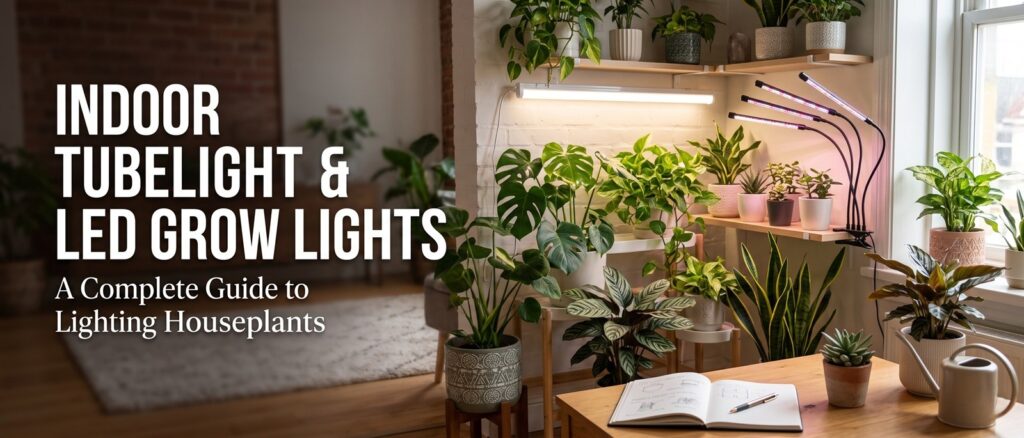
If your Bird of Paradise is not getting enough light, you will know within a few months. The leaves will be smaller, narrower, and darker green than they should be. New leaves will fail to split. The plant will lean dramatically toward the light source. The petioles (leaf stems) will be elongated and weak. None of these problems are fixable with watering or fertilizer — the only solution is more light. If you cannot provide more natural light, supplement with a full-spectrum grow light for 12-14 hours a day.
Acclimate new plants to direct sun gradually over 1-2 weeks. A Bird of Paradise that has been growing in a greenhouse or shade house will sunburn if you put it directly in a south-facing window. Start with 1 hour of direct sun, increase by 30 minutes per day, and watch the leaves for brown scorch patches. Some sunburn on the first few leaves is normal and not concerning — the plant will produce new, sun-adapted leaves within a month.
Watering: Deep and Infrequent
Bird of Paradise likes water but hates wet feet. The correct watering strategy is to soak the plant thoroughly, then let the top 5-7 cm (2-3 inches) of soil dry before watering again. In practice this means watering every 7-10 days during the growing season (spring and summer) and every 14-21 days during winter when growth slows. Always empty the drainage saucer 30 minutes after watering — Strelitzia roots rot quickly if left standing in water.
The potting mix is critical for proper watering. A mix that holds too much water will cause root rot; a mix that drains too fast will leave the plant chronically thirsty. The ideal mix is 60 percent high-quality potting soil, 30 percent perlite or pumice, and 10 percent orchid bark or coco chips. This provides enough moisture retention to support active growth but drains fast enough to prevent soggy soil. Repot every 2-3 years with fresh mix as the old mix breaks down and compacts.
⚠️ Warning
If your Bird of Paradise leaves are curling inward along the long axis (like a cigar), the plant is severely underwatered. If the leaves are curling sideways or rolling, the cause is usually low humidity or pest infestation. If only the lower leaves are yellowing and dropping, you are overwatering. Reading these signals correctly tells you exactly what to fix.
Humidity and Temperature
Bird of Paradise is a tropical plant that appreciates humidity, but it is more tolerant of dry indoor air than calatheas or ferns. Average home humidity of 40-50 percent is acceptable, though the plant will grow faster and produce healthier leaves at 60 percent or higher. Increase humidity by grouping plants together, using a humidifier, or placing the plant on a pebble tray. Avoid misting the leaves directly — water sitting in the leaf crevices can promote fungal infections.
Temperature is one area where Bird of Paradise is forgiving. The plant grows actively between 18-30°C (65-86°F) and tolerates brief dips to 10°C (50°F) without damage. This makes it suitable for placement near doorways or in cool rooms where more tender tropicals would suffer. Avoid placing the plant near heating vents, AC vents, or drafty windows, all of which create stressful microclimates that show up as brown leaf tips and edges.
Fertilizing for Growth and Bloom
Bird of Paradise is a heavy feeder during the growing season. Fertilize every 2-4 weeks from March through September with a balanced liquid fertilizer (10-10-10 or 20-20-20) at half the label rate. Alternatively, top-dress the soil in early spring with a slow-release granular fertilizer that will feed the plant for 4-6 months. Stop fertilizing entirely from October through February when the plant's growth slows.
Indoor Bird of Paradise plants rarely bloom, and that is normal. Blooming requires bright light, mature age (typically 4-5 years minimum), and often a slight winter chill period. Do not buy a Bird of Paradise expecting indoor flowers — enjoy it for the dramatic foliage instead. If your plant does eventually produce a flower, consider it a bonus, not a requirement. The flowers themselves last only a few weeks and consume significant plant energy.
The Split Leaf Question
The most common question about Bird of Paradise is why the leaves are not splitting. There are three reasons. First, the plant is too young — Strelitzia seedlings and small divisions naturally produce solid paddle leaves until they reach a mature size, typically around 1 meter (3 feet) tall. Second, the light is insufficient — splits only develop on leaves produced under bright conditions. Third, the plant is indoors with no air movement — wind is what triggers the splits to develop, and a plant in still indoor air may not split even with bright light.
To encourage splitting, increase light intensity gradually and add a small fan to provide gentle air movement 8-12 hours a day. Be patient — splits develop on NEW leaves as they unfurl, not on existing solid leaves. Once a leaf has unfurled solid, it will stay solid forever. Look for splits on the next leaf to emerge after you improve growing conditions; if the new leaf still does not split, you need more light. Some plants never split indoors, and that is also acceptable — a solid paddle leaf Bird of Paradise is still a beautiful plant.
Repotting and Root Management
Bird of Paradise grows rapidly and can become root-bound quickly. Plan to repot every 2-3 years in spring, moving up one pot size. Do not jump more than one size larger, because excessive soil around the root ball stays wet too long and causes root rot. If the plant has filled its current pot with roots but you do not want a larger specimen, root-prune instead — slice 2-3 cm off the bottom and sides of the root ball with a sharp knife and repot in the same container with fresh soil.
Strelitzia has thick, fleshy roots that can crack plastic pots and lift the plant out of the soil as they grow. Choose a sturdy pot — terra cotta or thick-walled plastic — and ensure it has multiple drainage holes. When you see roots emerging from the drainage holes or circling the surface, it is time to repot. After repotting, water lightly and withhold fertilizer for 4-6 weeks to let the plant recover from root disturbance.
Common Problems and Solutions
Brown leaf tips on Bird of Paradise are usually caused by low humidity, underwatering, or salt buildup from fertilizer. Trim the brown tips off with clean scissors (cut at an angle to mimic the natural leaf shape) and address the underlying cause. Yellowing lower leaves indicate overwatering — check the soil moisture and reduce watering frequency. Leaves that fail to open and stay rolled up are usually suffering from severe underwatering or pest damage to the developing leaf.
Pests are not usually a major problem for Bird of Paradise, but spider mites can infest plants in dry indoor air. Inspect the undersides of leaves regularly for fine webbing and yellow stippling. Wipe leaves down with a damp cloth monthly to remove dust and discourage mites. Scale insects occasionally appear on the leaf petioles — scrape them off manually or treat with neem oil. With proper light, watering, and occasional cleaning, Bird of Paradise is one of the more trouble-free statement plants available.
Only logged-in users can comment
Sign in or create a free account to join the conversation — it takes less than a minute.