

Why Windowsills Are the Best Place for Plants
Windowsills are the original houseplant location — even the Victorians knew that plants need natural light, and a windowsill is the closest you can get to outdoor light without putting the plant outside. Modern homes with central heating and double-pane windows have made windowsills even more hospitable, eliminating the cold drafts that used to make them inhospitable in winter. A south-facing windowsill in a temperate home can support nearly any houseplant, from sun-loving succulents to demanding tropicals.
Beyond light, windowsills offer something no other indoor location can: a connection to the outside world. Plants on a windowsill get natural air movement (from window leaks and daily open-and-close cycles), exposure to pollinators if you open the window in summer, and natural day/night light cycles that regulate plant hormones. Windowsill plants typically grow stronger, stockier, and more pest-resistant than plants in the interior of the room. The main constraint is space — most windowsills are 15-25 cm wide, which limits you to small pots.
💡 Tip
If your windowsill is narrow, extend it with a windowsill shelf that attaches to the window frame. These shelves add 15-20 cm of depth, doubling or tripling your growing space, and they cost $20-40 from any garden supply store. Look for ones with a slight lip to prevent pots from sliding off, and ensure they are rated for the weight of multiple wet plant pots.
South-Facing Windows: Maximum Light
South-facing windows (in the northern hemisphere) receive the most direct sunlight of any orientation — 6-8 hours of direct sun in summer, 3-4 hours in winter. This is the brightest window in the home and supports the widest range of plants, including species that simply will not grow anywhere else. The challenge with south windows is managing the intensity — direct summer sun through glass can scorch even sun-loving plants, and the heat buildup on a south windowsill can be 10-15°C warmer than the rest of the room.
Best plants for south-facing windowsills:
- All cacti and most succulents (echeveria, sedum, crassula, haworthia, lithops) — thrive in direct sun
- Herbs: basil, rosemary, thyme, oregano, sage, lavender — Mediterranean herbs love the sun and drainage
- Aloe vera — tolerates and prefers direct sun, produces medicinal gel
- Jade plant (Crassula ovata) — develops red leaf edges in bright sun
- Ponytail palm (Beaucarnea recurvata) — actually a succulent, loves sun
- Kalanchoe — flowering succulent that blooms reliably in south windows
- Miniature citrus (calamondin, dwarf lemon) — produces fruit in sunny windows
- Pelargonium (geranium) — blooms continuously in south windows
- Sweet basil — grows faster and more fragrant in direct sun
- Hibiscus — produces abundant flowers only with 6+ hours direct sun
⚠️ Warning
Watch for leaf scorch on south-facing windowsills in summer. Brown or white patches on the side of the leaf facing the glass mean the plant is getting too much direct sun. Fix this with a sheer curtain (cuts light by 30 percent) or by moving the plant 30 cm back from the glass. The plant will still get plenty of light, just not the burning intensity of full sun through glass.
East-Facing Windows: Gentle Morning Sun
East-facing windows receive morning sun — 3-4 hours of direct sun from sunrise until about noon, then bright indirect light for the rest of the day. Morning sun is gentler than afternoon sun (less intense and cooler), making east windows ideal for plants that want some direct light but burn in south or west windows. This is the perfect orientation for many tropical foliage plants, African violets, and most flowering houseplants.
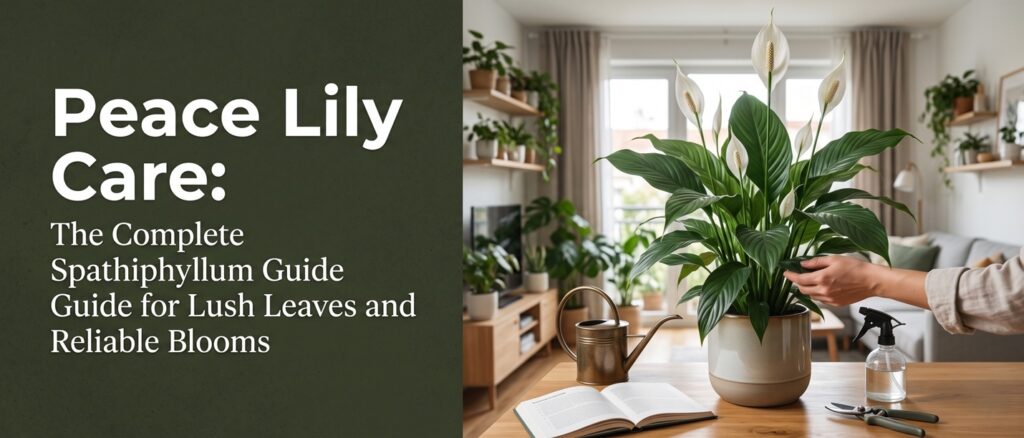
East windows are also forgiving — if you forget to water for a day or two, the cooler morning sun gives the plant a buffer that south or west windows do not. Plants that thrive in east windows include most philodendrons, pothos, monsteras, peace lilies, African violets, begonias, ferns (yes, even ferns can take morning sun), hoyas, and most herbs except the most sun-demanding Mediterranean ones. An east-facing windowsill is the closest thing to a 'universal' plant location in most homes.
West-Facing Windows: Hot Afternoon Sun
West-facing windows receive afternoon sun — 3-5 hours of direct sun from about 2 PM until sunset. This is the hottest, most intense sun of the day, because the air and glass have been warming all afternoon. West windows can be even more scorching than south windows in summer, and they pose the same management challenge: many plants want bright light but cannot handle the heat intensity of direct afternoon sun through glass.
Plants that do well in west windows are the same heat-loving species that thrive in south windows: succulents, cacti, aloe, jade plants, rosemary, and other Mediterranean herbs. The difference is that west windows are even less forgiving — if a plant shows signs of scorch in a west window, move it immediately. A sheer curtain or 30 cm setback from the glass is mandatory for all but the most sun-loving species. Tropical foliage plants, ferns, and calatheas are poor candidates for west windows unless filtered.
North-Facing Windows: Low Light
North-facing windows (in the northern hemisphere) receive no direct sunlight at all — only bright indirect light all day. This is the dimmest window orientation, and it limits you to plants that evolved in the deep shade of tropical rainforest understory. The good news is that several beautiful houseplants fall into this category, and they will thrive in north windows where most other plants slowly decline.
Best plants for north-facing windowsills:
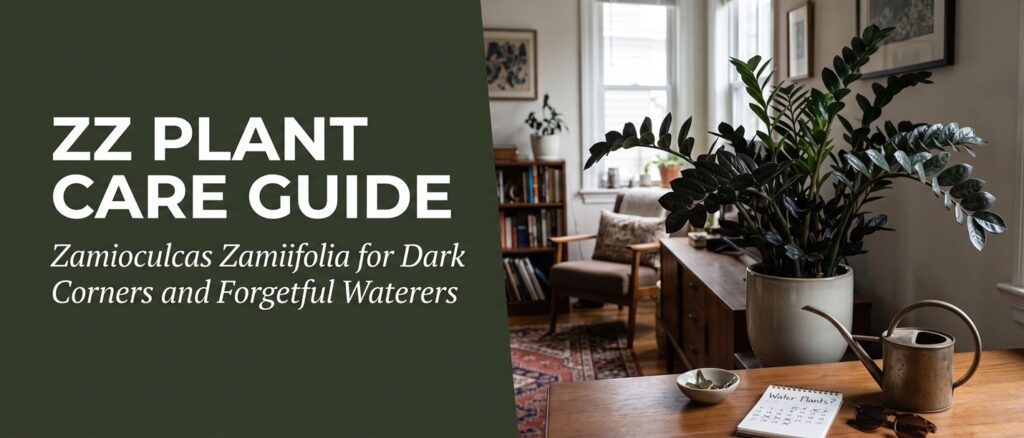
- ZZ plant (Zamioculcas zamiifolia) — tolerates very low light, slow-growing but indestructible
- Snake plant (Sansevieria) — survives almost any light condition including deep shade
- Pothos (Epipremnum aureum) — grows slowly in low light but maintains foliage
- Chinese evergreen (Aglaonema) — bred for low-light office and home conditions
- Peace lily (Spathiphyllum) — tolerates low light, will not bloom but foliage stays healthy
- Cast iron plant (Aspidistra elatior) — Victorian favorite for dark interiors
- English ivy (Hedera helix) — adapts to low light, trailing habit suits windowsills
- Maidenhair fern — surprisingly shade-tolerant but demands consistent moisture
- Prayer plant (Maranta) — tolerates lower light, leaves lose some color but plant survives
- Lucky bamboo (Dracaena sanderiana) — grows in water or soil, very low light tolerant
The Windowsill Herb Garden
A sunny windowsill is the perfect location for an indoor herb garden, providing fresh culinary herbs year-round even in cold climates. The key to success is choosing the right herbs and grouping them by water and light needs. Mediterranean herbs (basil, rosemary, thyme, oregano, sage, lavender) all want south or west windows with maximum light and well-draining soil. Mint, parsley, chives, and cilantro tolerate east or even bright north windows and want more moisture.
Plant each herb in its own small pot (10-15 cm diameter) rather than combining them in a single large container — different herbs have different water needs, and a shared container forces compromises that no herb will be happy with. Use a well-draining potting mix (60 percent potting soil, 40 percent perlite or sand) and terra cotta pots, which wick moisture away from the soil and prevent root rot. Water when the top 2-3 cm of soil is dry, and harvest regularly — regular harvesting keeps the plants bushy and productive.
💡 Tip
Basil is the perfect windowsill herb to start with — it grows fast, responds enthusiastically to regular harvesting, and produces abundant fragrant leaves for cooking. Pinch off the top sets of leaves every week once the plant is established, and the plant will branch into a bushy productive specimen. Never let basil flower — once it flowers, the leaves become bitter and growth stops.
Maximizing Limited Windowsill Space
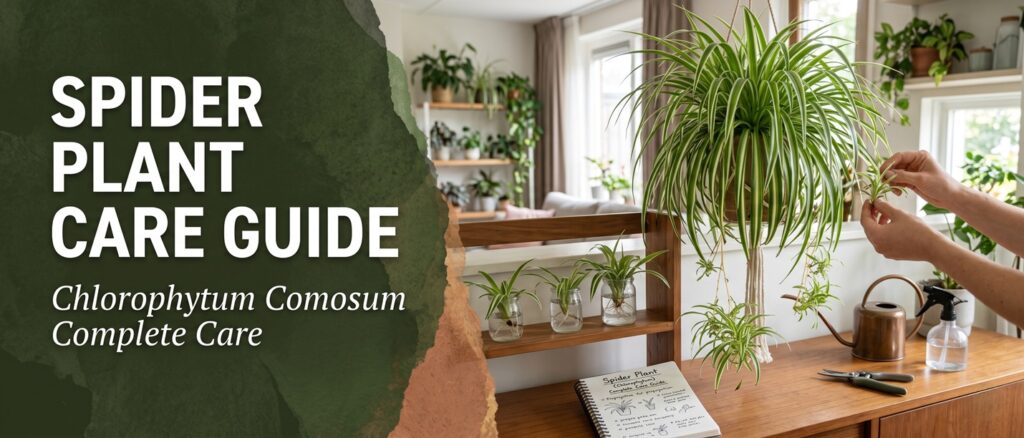
Most windowsills are 15-25 cm wide, which severely limits the size and number of pots you can fit. A few simple strategies can dramatically increase your growing capacity. First, use vertical space — install a windowsill shelf or a multi-tier plant stand that fits on the sill. A three-tier stand can hold 6-9 small plants in the same footprint as a single row of pots. Second, use hanging planters suspended from the window frame or ceiling — these add capacity without using sill space at all, and trailing plants look beautiful cascading down.
Third, group small pots in a single waterproof tray — this lets you water them all at once (by adding water to the tray and letting the pots wick it up from below) and creates a microclimate of slightly higher humidity that benefits most plants. Fourth, choose compact plant varieties — dwarf succulents, miniature African violets, compact herbs like Greek basil rather than standard sweet basil. The right plant choice lets you fit a diverse collection into a small space.
Winter Windowsill Care
Winter creates two challenges for windowsill plants: cold drafts from the window glass and dry air from central heating. The glass temperature on a cold winter night can drop to 5-10°C, even when the room is 20°C. Plants touching the glass can suffer cold damage — leaves develop dark water-soaked patches that turn brown and die. Always leave 5-10 cm between the plant leaves and the window glass, and consider moving sensitive plants away from the window on the coldest nights.
Dry air from heating causes brown leaf tipping on humidity-loving plants. Increase humidity with a pebble tray filled with water under the plants (do not let the pot bottom touch the water), group plants together to create a humid microclimate, or run a small humidifier near the window. Reduce watering frequency in winter — most plants grow slowly or not at all, and they need much less water than in summer. A south-window succulent that needed water weekly in summer may need water only every 3-4 weeks in winter.
Only logged-in users can comment
Sign in or create a free account to join the conversation — it takes less than a minute.