

Why Ants Invade Houseplant Pots
Ants do not show up in your houseplants by accident. They are attracted by one of two things: honeydew, the sugary excretion produced by sap-sucking pests like aphids, mealybugs, and scale insects; or dry, loose soil that looks like a perfect nesting site. If you see ants streaming in and out of a pot, your first move should not be to attack the ants — it should be to figure out which of these two attractants is drawing them. Treating the underlying cause eliminates the ants permanently; treating only the ants means they will be back within a week.
Honeydew-seeking ants are essentially farming the pests on your plant. They actively protect aphids, mealybugs, and scale from predators and parasites, moving them to fresh feeding sites and even carrying them to new plants. This mutualistic relationship means that as long as the ants are present, your pest problem will be nearly impossible to control. You must eliminate the honeydew-producing pests AND the ants simultaneously, or they will simply rebuild their colony on the next plant.
💡 Tip
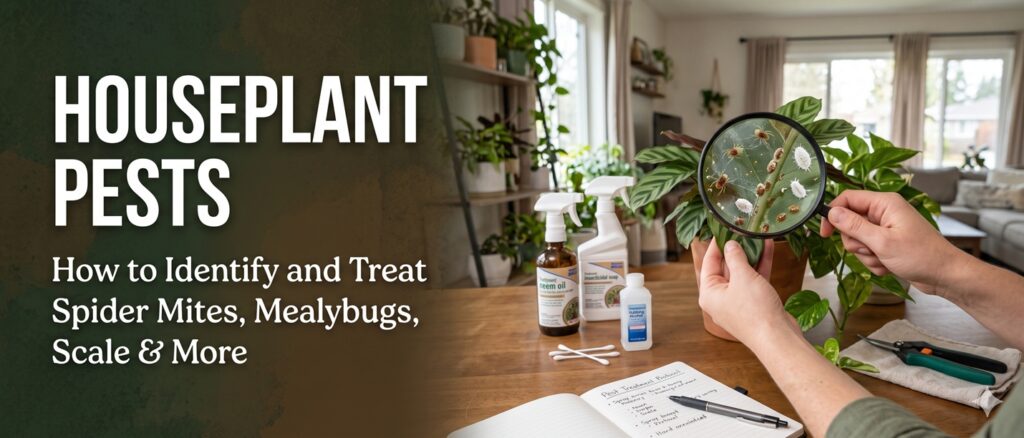
If you see ants crawling on plant stems and leaves (not just on the soil), you almost certainly have a hidden infestation of aphids, mealybugs, or scale insects. Inspect the undersides of leaves, leaf joints, and stem crevices. Treating the ants without treating the honeydew pests is wasted effort.
Do Ants Actually Harm Plants?
This is a more nuanced question than it appears. Ants themselves rarely feed on plant tissue — they are not like caterpillars or grasshoppers that chew leaves. However, they cause harm indirectly through three mechanisms. First, by protecting honeydew-producing pests, they allow those pest populations to explode and damage the plant far worse than they would on their own. Second, by tunneling through the soil, they can disrupt fine root hairs and create air pockets that dry out roots. Third, some ant species (especially fire ants and leafcutter ants) actively damage plants by stripping leaves for fungus farming or nesting material.
In houseplant situations, the most common damage is from root disruption in the pot. As ants excavate soil to build nests, they create channels that allow water to drain too quickly past the root zone, leaving the plant chronically thirsty even though you are watering regularly. You may notice that water seems to pour straight through the drainage hole without wetting the soil — this is a sign of ant tunneling (or a severely root-bound plant). The fix is to repot with fresh soil after evicting the ants.
Method 1: Submerge and Drown
The fastest, safest way to evict ants from a potted plant is to submerge the entire pot in water for 20-30 minutes. Fill a bucket or tub with room-temperature water to a depth that covers the soil surface. Gently lower the pot in (weight it down with a brick if it floats) and let it sit. Ants cannot survive submerged for more than 20 minutes, and they will evacuate the pot en masse, climbing up the plant stems and out of the water. Brush them off the leaves into a separate container of soapy water.
This method has the advantage of being completely chemical-free and safe for the plant, but it has limitations. It only works for pots small enough to lift and submerge. The plant must tolerate having its root zone fully saturated for half an hour — succulents and cacti may not appreciate this treatment. And it kills only the ants present in the pot at the time; if the underlying attractant (honeydew pests or nesting habitat) is still there, ants will return. After submerging, let the pot drain thoroughly and inspect the plant for pest problems.
Method 2: Diatomaceous Earth
Diatomaceous earth (DE) is a powder made from fossilized diatom shells that kills ants and other insects by abrading their exoskeletons, causing them to dehydrate. It is harmless to plants, mammals, and humans when used correctly. To use DE on a potted plant, first let the soil dry out slightly (DE does not work when wet). Sprinkle a thin layer of food-grade DE over the entire soil surface, around the base of the stems, and on the pot rim. Reapply after every watering.
DE works as a barrier rather than a bait — ants that walk across it die, but the colony is not eliminated. For an established colony inside the pot, DE alone is not enough. However, it is excellent for preventing ants from re-entering a pot you have already cleared, and for protecting nearby plants from ants traveling between pots. Always buy food-grade DE, not pool-grade (which is heat-treated and dangerous to inhale). Wear a dust mask when applying — DE is not toxic but the fine particles can irritate lungs.
Method 3: Cinnamon and Citrus Drenches
Cinnamon is a natural ant repellent that disrupts their scent trails without killing them. Sprinkle ground cinnamon generously over the soil surface and around the pot base. Ants will avoid crossing cinnamon, which can trap them inside the pot (where they will eventually die of dehydration if you also withhold water for a few days) or discourage new ants from entering. This is a slow method but completely safe for plants and people. The downside is that cinnamon loses its potency after a week or two and must be reapplied.
A citrus drench works by flooding the pot with a solution that ants find toxic and repellent. Boil the peels of 2-3 oranges or lemons in 2 liters of water for 20 minutes, let cool, strain, and pour slowly through the pot until the solution runs from the drainage hole. The citric acid and d-limonene in citrus peels kill ants on contact and disrupt their pheromone trails. This method is safe for plants but slightly acidic — do not use on acid-sensitive species like calatheas in already-acidic soil. Repeat every 3-5 days until the ants are gone.
⚠️ Warning
Never use outdoor ant bait stations (the kind containing hydramethylnon, fipronil, or indoxacarb) inside houseplant pots. These baits are designed for outdoor colonies and can persist in potting soil for months, contaminating the plant and posing a risk to pets and children who might touch the soil. If you must use chemical bait, choose boric acid-based gels applied in sealed bait stations outside the pot, not in the soil.
Method 4: Repot to Evict a Deep Colony
When ants have built a deep, established colony in the pot with brood (eggs, larvae, and pupae), surface treatments will not eliminate them. The only solution is to repot the plant entirely. Take the plant outside (do not do this indoors or the ants will scatter into your home), gently remove the root ball from the pot, and shake off all the old soil into a bucket. Submerge the root ball in water for 15 minutes to drown any remaining ants, then inspect the roots for damage.
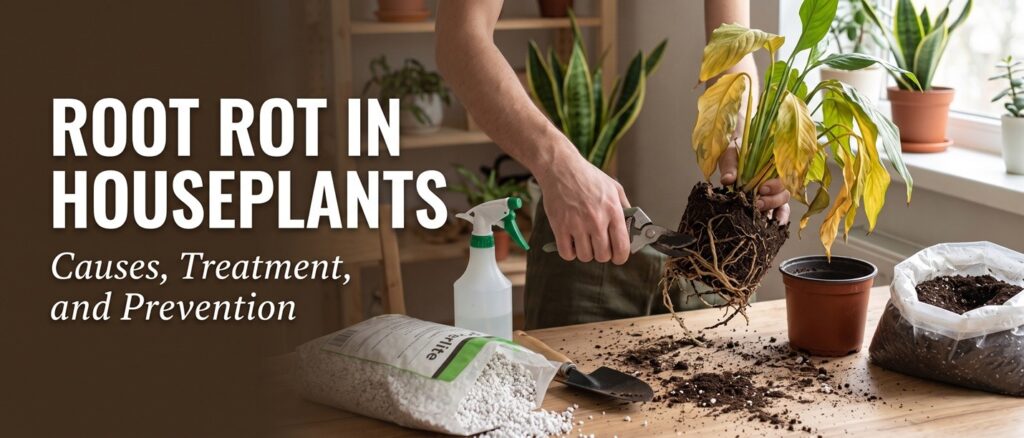
Wash the old pot thoroughly with hot soapy water and a splash of bleach. Repot the plant in fresh, sterile potting soil, ideally in a different pot to avoid recontamination. After repotting, sprinkle DE on the soil surface as a barrier against re-entry. This method is the most labor-intensive but the only reliable way to clear a deep-rooted colony. It also gives you a chance to inspect the roots for rot or pest damage that may have been hidden by the ant activity.
Preventing Future Ant Invasions
Once you have evicted ants from a plant, take steps to make your other pots unattractive to them. The most important preventive measure is pest control — if you have no aphids, mealybugs, or scale insects, you will have no honeydew-seeking ants. Inspect plants weekly and treat pest infestations promptly. The second measure is soil moisture management — ants prefer dry, loose soil for nesting. Watering properly (deeply but less frequently) keeps the soil surface from drying out completely and discourages ants from setting up house.
If you live in an area where ants are a persistent problem, consider creating a physical barrier around your plant shelves. A band of petroleum jelly or double-sided tape around each pot leg stops ants from climbing up. A ring of DE or cinnamon around each pot provides ongoing repellent. For hanging plants, a band of sticky barrier on the hanger cord prevents ants from descending into the pot. With these barriers in place, even a heavy local ant population cannot reach your plants.
Only logged-in users can comment
Sign in or create a free account to join the conversation — it takes less than a minute.