

Why Choose Natural Pest Control Over Chemical Pesticides
Chemical pesticides may offer quick results, but they come with significant drawbacks that make natural alternatives increasingly attractive. Synthetic pesticides kill beneficial insects alongside pests, disrupting the natural balance that keeps pest populations in check long-term. They contaminate soil and groundwater, leave toxic residues on edible plants, and many common pests have developed resistance to widely-used chemicals. Natural pest control methods work with nature's own defense mechanisms, creating sustainable solutions that become more effective over time as your garden's ecosystem becomes more balanced. For indoor plants, where chemical sprays can linger in enclosed spaces and pose risks to children and pets, natural approaches are especially important.
Common Plant Pests and Natural Treatments
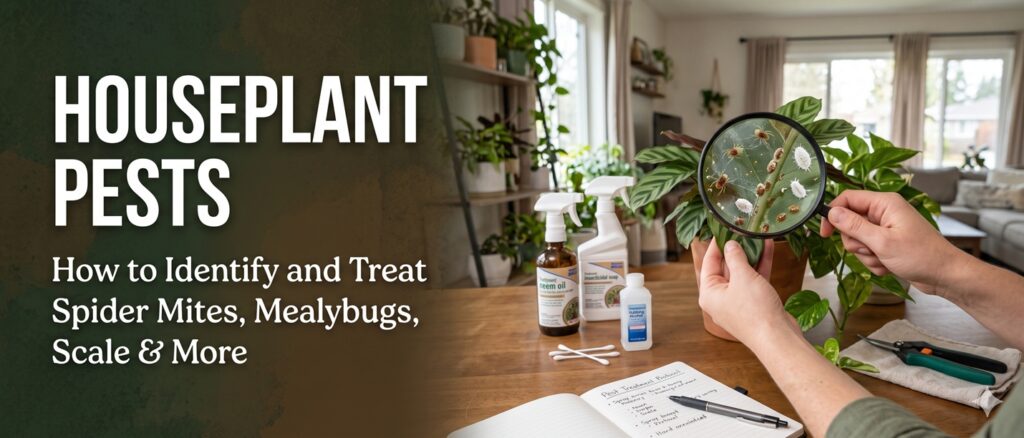
Identifying the specific pest affecting your plants is the first step toward effective treatment. Each pest has different behaviors, life cycles, and vulnerabilities that determine which natural control method will be most effective. Here are the most common plant pests and the natural treatments that work best against each one.
- Aphids — These tiny, sap-sucking insects cluster on new growth and undersides of leaves, causing curling, yellowing, and stunted growth while excreting honeydew that attracts ants and promotes sooty mold. Spray plants with a strong jet of water to dislodge them, apply insecticidal soap, or release ladybugs (which can eat up to 5,000 aphids in their lifetime). A garlic-chili spray also deters aphids effectively.
- Spider Mites — Microscopic arachnids that thrive in hot, dry conditions, spider mites cause stippled yellow leaves and fine webbing between stems. Increase humidity around affected plants, spray with neem oil, or introduce predatory mites (Phytoseiulus persimilis) that hunt and consume spider mites without harming plants.
- Mealybugs — White, cottony pests that hide in leaf axils and stem crevices, mealybugs weaken plants by sucking sap and excreting honeydew. Dab individual bugs with a cotton swab dipped in rubbing alcohol, spray with insecticidal soap, or introduce mealybug destroyers (Cryptolaemus montrouzieri), a type of ladybug specialized for mealybug control.
- Fungus Gnats — Small flying insects whose larvae feed on roots in overly moist soil. Allow soil to dry between waterings, sprinkle cinnamon on the soil surface (it has natural antifungal properties that kill larvae), or use sticky yellow traps to catch adults. Beneficial nematodes (Steinernema feltiae) applied to soil eliminate larvae within days.
- Scale Insects — Armored pests that attach to stems and leaves, appearing as small brown bumps. Scrape off with a soft toothbrush or fingernail, apply neem oil with a cotton swab directly to each scale, or introduce parasitic wasps (Aphytis melinus) that lay eggs inside the scales, killing them from within.
- Whiteflies — Tiny white flying insects that rise in clouds when disturbed, whiteflies suck sap and transmit plant viruses. Yellow sticky traps catch adults, while insecticidal soap targets nymphs. Enclosing plants in a temporary tent and releasing Encarsia formosa wasps provides biological control.
Companion Planting for Natural Pest Deterrence
Companion planting leverages the natural pest-repelling properties of certain plants to protect their neighbors. This ancient gardening technique works through several mechanisms: aromatic plants mask the scent of vulnerable crops, some plants emit compounds that repel or confuse pests, and flowering companions attract predatory insects that keep pest populations in check. For indoor gardens, potted companions placed nearby provide similar benefits.
- Marigolds — Release thiophenes that repel nematodes, whiteflies, and aphids. Plant near tomatoes, peppers, and roses. French marigolds are the most effective variety for pest deterrence.
- Basil — Its strong aroma repels aphids, mosquitoes, and tomato hornworms. Place basil near tomato plants for a classic companion pairing that benefits both plants.
- Lavender — Deters moths, fleas, and aphids with its aromatic oils. Its flowers also attract pollinators and predatory wasps. Excellent for borders around vegetable gardens.
- Mint — Repels ants, aphids, cabbage moths, and flea beetles. Plant in containers (it spreads aggressively) and place near vulnerable crops. Crushed mint leaves make an effective pest spray.
- Nasturtiums — Act as a trap crop, drawing aphids away from other plants. They also repel squash bugs and whiteflies while attracting predatory insects.
Making Your Own Natural Pest Sprays
Homemade pest sprays are cost-effective, safe, and easy to make with common household ingredients. These formulations target specific pests while being gentle on plants, beneficial insects, and the environment. Always test on a small area first and apply in the evening to avoid leaf burn from sunlight on wet foliage.
- Neem Oil Spray — Mix 1 teaspoon pure neem oil with 1 quart warm water and a few drops of mild dish soap (as an emulsifier). Spray on all leaf surfaces, especially undersides. Neem disrupts insect hormones, preventing feeding and reproduction. Effective against aphids, mites, whiteflies, and scale. Apply every 7-14 days.
- Insecticidal Soap — Mix 1 tablespoon pure liquid castile soap (not detergent) with 1 quart water. Spray directly on pests. The soap breaks down the insect's protective waxy coating, causing dehydration. Works on aphids, mealybugs, spider mites, and whiteflies. Must make direct contact with the pest to be effective.
- Garlic-Chili Spray — Blend 4 garlic cloves and 1 tablespoon chili powder with 1 quart water. Let steep overnight, strain, and add a few drops of dish soap. This potent repellent deters aphids, caterpillars, and many other pests through its strong odor and mild irritant properties.
- Rubbing Alcohol Spray — Mix 1 part 70% isopropyl alcohol with 3 parts water. Spray on mealybugs, scale, and aphids. The alcohol dissolves their protective coatings and kills them on contact. Particularly effective for spot-treating localized infestations on individual plants.
💡 Pro Tip: The Quarantine Protocol
The most effective natural pest control is prevention. Always quarantine new plants for 2-3 weeks before introducing them to your existing collection. Keep them in a separate room and inspect thoroughly for pests every few days, checking leaf undersides, stem joints, and soil surface. Many pest infestations begin with a single infected plant that spreads the problem to your entire collection. This simple quarantine protocol can save you weeks of treatment and prevent the loss of valued plants.
Only logged-in users can comment
Sign in or create a free account to join the conversation — it takes less than a minute.