

Why Grow Herbs Indoors?
An indoor herb garden brings the joy of fresh cooking herbs right to your kitchen counter, no outdoor space required. Nothing compares to the flavor of freshly snipped basil on a homemade pizza, chopped chives folded into scrambled eggs, or muddled mint in a refreshing cocktail. Beyond culinary benefits, many herbs also purify indoor air, repel insects naturally with their essential oils, and add a wonderful fragrance to your home every time you brush past them. With the right setup and a little know-how, you can enjoy a productive herb garden indoors throughout the entire year, regardless of your climate, the season outside, or whether you have access to any outdoor growing space.
Growing herbs indoors also gives you complete control over their growing conditions. You can avoid pesticide exposure by growing organically, harvest exactly what you need when you need it (eliminating waste from store-bought herb packets), and enjoy varieties that are difficult or expensive to find at the grocery store. For anyone who loves cooking, an indoor herb garden is not just a hobby — it is a kitchen upgrade that pays for itself within weeks.
Best Herbs for Indoor Growing
These herbs adapt well to indoor conditions and are perfect for beginners starting their first kitchen garden:
- Basil — Loves warmth and bright light; pinch flower buds immediately to keep it bushy and productive for months
- Mint — Virtually indestructible once established; always grow in its own pot to prevent it from taking over other herbs
- Chives — Cold-tolerant perennial that regrows quickly after cutting; the purple flowers are also edible and beautiful
- Parsley — Biennial grown as annual; slow to start from seed but worth the wait for its fresh, versatile flavor
- Thyme — Low-growing Mediterranean herb that loves excellent drainage and prefers slightly drier conditions between waterings
- Rosemary — Needs excellent air circulation and prefers drier soil; a south-facing window is ideal for this aromatic shrub
- Cilantro — Quick-growing but bolts easily in warm conditions; sow new seeds every few weeks for continuous harvest
- Oregano — Vigorous grower that tolerates some neglect; harvest regularly to keep it compact and prevent woody stems
Setting Up Your Kitchen Herb Garden
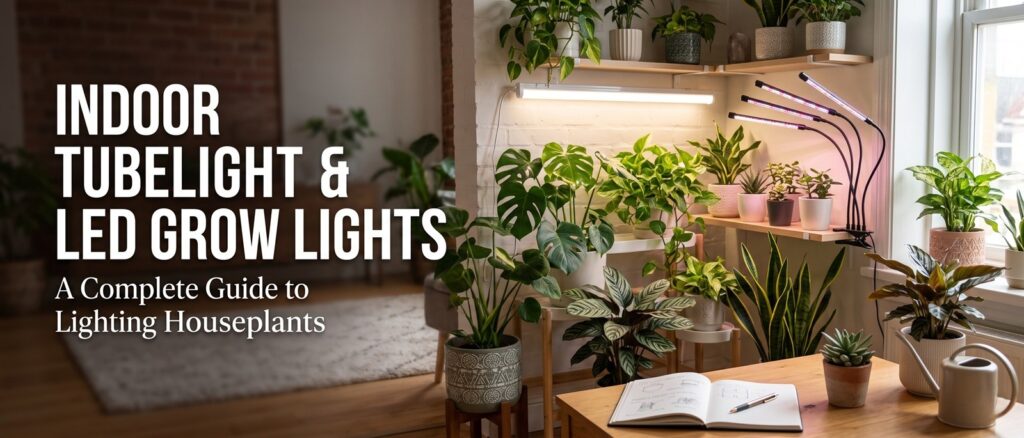
Most kitchens do not have enough natural light for herbs, which typically need at least six hours of direct sunlight daily. South-facing windowsills are ideal, but if your kitchen lacks bright light, a simple grow light setup makes all the difference. LED grow lights are energy-efficient, produce minimal heat, and can be mounted under cabinets or on a small shelf. A timer set to provide twelve to fourteen hours of light per day simulates the long days herbs love during the peak growing season.
Use well-draining potting mix formulated for containers — standard garden soil retains too much moisture for most herbs. Terra cotta pots are an excellent choice because they breathe through their porous walls, helping prevent overwatering, which is the number one killer of indoor herbs. Ensure every pot has drainage holes, and always empty saucers after watering. Group herbs with similar water and light needs together: Mediterranean herbs like rosemary, thyme, and oregano prefer drier conditions on one side, while basil, cilantro, and mint like more consistent moisture on the other.
Keeping Your Herbs Productive
Follow these practices to keep your indoor herbs growing strong and flavorful throughout the year:
- Harvest regularly — frequent cutting encourages bushier, more productive growth and prevents plants from becoming leggy
- Never harvest more than one-third of the plant at a time — removing too much foliage at once can shock and weaken the plant
- Rotate pots a quarter turn weekly for even light exposure on all sides, preventing lopsided growth toward the window
- Fertilize lightly every four to six weeks with a diluted organic fertilizer — herbs need fewer nutrients than ornamental plants
- Keep soil slightly dry between waterings — most culinary herbs prefer soil on the drier side rather than constantly moist
- Trim flower buds as soon as they appear to prevent the plant from redirecting energy into seed production instead of leaf growth
💡 Tip
Group herbs with similar water and light needs together on the same windowsill or shelf. Mediterranean herbs like rosemary, thyme, and oregano prefer drier conditions and less frequent watering, while basil, cilantro, and mint like more consistent moisture. This simple grouping strategy prevents the common problem of overwatering drought-loving herbs while underwatering moisture-loving ones.
Only logged-in users can comment
Sign in or create a free account to join the conversation — it takes less than a minute.