

What Grow Bags Actually Do Differently
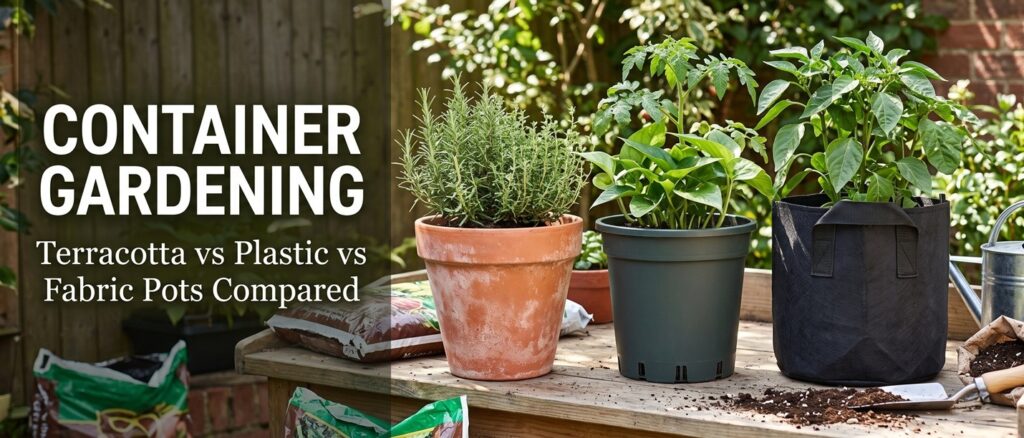
Grow bags are fabric containers — typically made from felted polypropylene or non-woven geotextile — used as an alternative to plastic or terra cotta pots. The fabric is porous, allowing air and water to pass through the walls of the container. This simple property has profound effects on root development, soil health, and overall plant vigor. The mechanism that makes grow bags special is called 'air pruning,' and it is the single most important reason serious vegetable growers have switched from plastic pots to fabric containers.
In a plastic pot, roots grow outward until they hit the pot wall, then they turn and start circling — a phenomenon called root circling. Over time, the root ball becomes a dense mass of circling roots that compete with each other for water and nutrients, ultimately strangling the plant. In a fabric grow bag, when roots reach the pot wall, the dry air outside the fabric kills the root tip. The plant responds by branching new roots back into the soil mass, creating a dense, fibrous root system that explores the entire soil volume rather than circling the edges.
💡 Tip
If you have ever pulled a plant out of a plastic pot and seen a dense mass of circling roots at the bottom and sides, you have witnessed the problem grow bags solve. The same plant in a fabric grow bag will have a uniform root mass with no circling — the difference is dramatic and immediately visible. This is why grow-bag plants typically grow 30-50 percent faster and produce higher yields than the same plant in a plastic pot of the same size.
The Science of Air Pruning
Air pruning works because root tips require moisture to survive. When a root tip reaches the dry fabric wall of a grow bag, the tip dies back within hours. The plant responds to this loss by activating dormant buds further back along the root, producing multiple new branches where there was one before. The result is a root system with many short, branched roots instead of a few long, unbranched ones — and branched roots are far more efficient at absorbing water and nutrients than long, unbranched roots.
This mechanism is most effective when the soil mass is well-aerated and the fabric is exposed to moving air. Grow bags placed on a hard surface (concrete, wood) lose some of the air-pruning effect on the bottom of the bag, where moisture is trapped. For maximum benefit, place grow bags on slatted surfaces, gravel, or even directly on soil (which also allows roots to escape into the ground if you want). The sides of the bag will still air-prune effectively even when the bottom is on a solid surface.
Grow Bag Sizes and What Fits Each
Grow bags come in sizes from 1 gallon (suitable for herbs and lettuce) to 100+ gallons (suitable for small trees). The right size depends on the mature size of the plant, the depth of its root system, and how long it will live in the bag. As a rule of thumb, vegetables that fruit (tomatoes, peppers, eggplants) need 5-10 gallon bags; leafy greens and herbs need 1-3 gallon bags; root vegetables like potatoes and carrots need deeper bags (10-20 gallon, 30+ cm deep); small fruit trees and bushes need 20-50 gallon bags.
Recommended grow bag sizes by plant type:
- 1-2 gallon: lettuce, spinach, arugula, most herbs, strawberry, dwarf marigold
- 3-5 gallon: peppers, eggplant, bush beans, basil (large plant), chard, kale
- 5-7 gallon: determinate tomatoes, cucumbers (bush type), zucchini, cabbage
- 7-10 gallon: indeterminate tomatoes, eggplant (large), squash, melons
- 10-15 gallon: potatoes (4-6 seed potatoes per bag), sweet potatoes, carrots
- 15-25 gallon: zucchini (large), pumpkin (mini), broccoli, artichoke
- 25-50 gallon: dwarf citrus, fig bushes, blueberry bushes, dwarf fruit trees
- 50+ gallon: small fruit trees (apple, pear, plum on dwarfing rootstock)
Best Plants for Grow Bags
While almost any plant will grow better in a fabric grow bag than in a plastic pot, some plants especially benefit. Potatoes are the classic grow bag crop — the bag allows you to 'hill up' soil as the plant grows, dramatically increasing yield, and at harvest you simply dump the bag out rather than digging. Tomatoes, peppers, and eggplants all produce significantly higher yields in grow bags than in plastic pots, thanks to the superior root system. Herbs like mint (which is invasive in garden soil) are perfectly contained in a grow bag.
Root vegetables are excellent grow bag candidates because the loose, well-drained soil in a grow bag produces straight, uniform roots that are easy to harvest. Carrots, beets, radishes, turnips, and parsnips all thrive in deep grow bags. The bags also let you grow these vegetables in soil free of rocks and debris, which is the main cause of forked and stunted roots in garden soil. Strawberries are another excellent grow bag crop — the plants spread by runners that hang over the bag edges, creating a productive cascade of berries.
⚠️ Warning
Grow bags dry out faster than plastic pots because the fabric allows evaporation from the entire surface, not just the top. In hot summer weather, you may need to water grow bags daily versus every 2-3 days for plastic pots. Consider installing a drip irrigation system on a timer if you have more than 4-5 grow bags, or use larger bags (which dry out more slowly) and mulch the soil surface to reduce evaporation.
Soil Mix for Grow Bags
The ideal grow bag soil is light, well-draining, and high in organic matter. Garden soil is too heavy and compacts over time — never use it alone in grow bags. A good base mix is 60 percent high-quality potting soil, 30 percent compost or worm castings, and 10 percent perlite or pumice for extra drainage. For acid-loving plants (blueberries, azaleas, strawberries), substitute 30 percent peat moss or coco coir for the compost to lower the pH.
Grow bag soil needs more frequent fertilization than garden soil because nutrients leach out with every watering. Mix a slow-release organic fertilizer (like Espoma Garden-tone or Dr. Earth Tomato) into the soil at planting, then supplement with liquid fertilizer every 2-3 weeks during active growth. Compost tea, fish emulsion, or kelp extract all work well as liquid feeds. Avoid synthetic chemical fertilizers in grow bags — they leach out quickly and can build up to harmful levels in the confined soil volume.
Grow Bags vs Raised Beds: A Comparison
Grow bags and raised beds serve similar purposes — they provide deep, well-draining soil for vegetables — but they have different strengths. Raised beds are permanent, hold more soil volume per square foot, and look more polished. Grow bags are portable, cheaper per square foot, and easier to set up. A 4×8 foot raised bed holds about 600 liters of soil and costs $200-400 to build and fill; an equivalent area of 10-gallon grow bags holds about 400 liters of soil and costs $80-120.
For renters, apartment dwellers, and anyone with poor native soil, grow bags are clearly the better choice. They can be set up on concrete, balconies, rooftops, or anywhere with sun and water access. For homeowners with a permanent garden, raised beds offer better long-term value. Many gardeners use both — raised beds for permanent plantings (perennial herbs, asparagus, rhubarb) and grow bags for annual vegetables that benefit from being moved or rotated.
Winter Storage and Reuse
At the end of the growing season, grow bags can be emptied, cleaned, and stored for reuse the following year. Empty the soil into a compost pile or spread it on garden beds (the soil is still good for amending native soil even if it is depleted for container use). Rinse the bags with a hose, then soak them in a 10 percent bleach solution for 30 minutes to kill any pathogens. Rinse thoroughly, dry completely in the sun, and store folded flat in a dry location.
Quality grow bags (thick fabric, reinforced handles, double-stitched seams) last 5-7 seasons with proper care. Cheap thin bags may only last 1-2 seasons before the handles tear or the fabric develops holes. The price difference is minimal — a $15 quality 10-gallon bag is a better investment than a $8 cheap one that needs replacing annually. Look for bags made from non-woven geotextile fabric (typically 300-400 grams per square meter) with reinforced handles sewn into the bag body, not just glued on.
💡 Tip
To extend the life of your grow bags and protect them from UV degradation, place them inside a wooden frame or against a wall that shades the sides from direct sun. UV light breaks down the polypropylene fabric over 3-4 seasons; shaded bags last twice as long. The frame also provides structural support and makes the bags look more polished in a deck or patio setting.
Only logged-in users can comment
Sign in or create a free account to join the conversation — it takes less than a minute.