

Why Wind Is the Hidden Balcony Plant Killer
Most balcony plant failures attributed to 'difficult conditions' are actually wind damage. Wind speeds at the 10th floor of a typical apartment building are 50 to 100 percent higher than at ground level, and gusts during storms can be even more extreme. Wind damages plants in three ways: it increases transpiration (water loss from leaves) faster than roots can replace it, causing chronic drought stress; it physically tears leaves and breaks stems; and it damages flowers, preventing fruit set in vegetables. A plant that thrives in a sheltered ground-level garden may die within weeks on a windy balcony.
The first sign of wind damage is usually crispy brown leaf edges — the plant is losing water faster than it can absorb, and the leaf margins (which are furthest from the water-conducting veins) die first. Next, leaves develop tears or splits along the veins, especially on broad-leaved plants like monstera, philodendron, and banana. Tall plants topple over as their root systems cannot anchor against the wind. Finally, flowers drop off without setting fruit, ending production on tomatoes, peppers, and other fruiting crops.
💡 Tip
To measure wind on your balcony, buy a cheap handheld anemometer ($15-30) or use a weather app that reports wind speed at your location. Sustained winds above 15 km/h cause significant plant stress; gusts above 30 km/h cause physical damage. If your balcony regularly experiences these conditions, wind protection is essential for growing anything beyond the most wind-tolerant species.
Wind Protection Options
The most common and cost-effective wind protection is shade cloth. Despite the name, shade cloth is sold in different densities that provide varying degrees of wind protection: 30 percent shade cloth reduces wind by about 40 percent, 50 percent reduces wind by about 60 percent, and 80 percent reduces wind by about 75 percent. For most balcony plants, 50 percent shade cloth is the best choice — it provides substantial wind protection without blocking too much light. Attach it to the windward side of the balcony using zip ties to a tensioned wire or directly to the railing.
Glass or acrylic panels provide complete wind protection while preserving the view. Many modern apartment balconies already have glass railing panels, which provide excellent wind protection. If your balcony has open railings, consider installing clear acrylic sheets (available at hardware stores, cut to size) on the inside of the railing. They are nearly invisible, do not block light, and convert a windy balcony into a sheltered growing environment. The downside is cost (Rs 2,000 to 5,000 per linear meter) and the need for proper installation.
⚠️ Warning
Do not use solid windbreaks that block all airflow. A completely solid windbreak creates turbulent eddies on the leeward side that can be more damaging than the original wind. The ideal windbreak is 40-60 percent porous — it slows the wind without creating eddies. Shade cloth, slatted wood, bamboo screens, and trellises all qualify as porous windbreaks. Solid walls, glass (unless strategically placed), and dense plastic sheeting do not.
Natural Windbreaks: Bamboo, Willow, and Hedges
Natural windbreaks provide wind protection while also looking attractive. Bamboo roll-up screens (Rs 100-300 per square meter) are inexpensive, easy to install (just zip-tie to the railing), and provide about 60 percent wind reduction. They last 2 to 3 seasons before needing replacement. Willow hurdle screens (Rs 500-1,500 per square meter) are more expensive but more durable and more attractive. Both can be rolled up and stored when not needed, making them ideal for seasonal wind protection.
Living hedges of climbing plants create a windbreak that improves every year. Plant climbing plants (star jasmine, bougainvillea, passionflower, clematis) in long rectangular planters along the windward edge of the balcony, and train them up a trellis attached to the railing. Within 1 to 2 years, the trellis fills with foliage that provides effective wind protection. The plants also provide beauty, fragrance, and habitat for pollinators. The downside is that deciduous climbers lose their leaves in winter, leaving the balcony exposed during the colder months when wind protection is most needed.
Wind protection options ranked by cost and effectiveness:
- 50% shade cloth on windward side: Rs 50/sqm, 60% wind reduction
- Bamboo roll-up screen: Rs 200/sqm, 60% wind reduction, attractive
- Willow hurdle screen: Rs 1000/sqm, 65% wind reduction, very attractive
- Living hedge of climbers: Rs 500 + 1-2 years, 70% reduction, beautiful
- Clear acrylic panels: Rs 3000/sqm, 90% reduction, preserves view
- Trellis with annual vines: Rs 300 + seasonal, 50% reduction, flexible
Plant Selection for Windy Balconies
Some plants tolerate wind better than others. The best balcony plants have small or narrow leaves (which present less surface area to the wind), flexible stems (which bend rather than break), and tough or hairy leaf surfaces (which reduce water loss). Good wind-tolerant foliage plants include rosemary, lavender, santolina, euonymus, privet, pittosporum, and most succulents. Good wind-tolerant flowering plants include osteospermum, gazania, pelargonium, and bougainvillea. Wind-tolerant vegetables and herbs include rosemary, thyme, sage, chives, Swiss chard, and kale.
Avoid broad-leaved tropical plants (monstera, philodendron, banana, bird of paradise, calathea, prayer plant) on windy balconies — their large leaves tear and shred in the wind, and they lose water rapidly. Tall plants with heavy heads (sunflowers, single-stem tomatoes, hollyhocks) snap off at the stem. Delicate flowers (pansies, petunias, fuchsia) shred in strong wind. If you want to grow these plants on a balcony, you must provide effective wind protection — there is no plant tolerance that compensates for chronic wind exposure.
💡 Tip
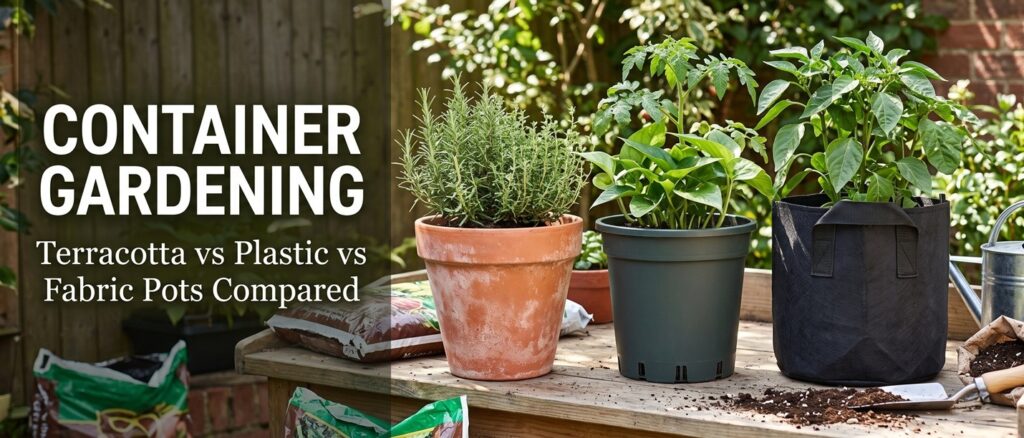
If you cannot provide wind protection, focus your balcony gardening on herbs and succulents. A collection of Mediterranean herbs (rosemary, thyme, sage, oregano, marjoram, lavender) in terracotta pots will thrive in windy sunny conditions and provide fresh herbs for cooking year-round. Succulents (sedum, sempervivum, echeveria) also tolerate wind well and add interesting form and color. These plants have evolved in windy, exposed Mediterranean and alpine environments and are perfectly adapted to balcony conditions.
Structural Considerations for High-Rise Balconies
Any wind protection structure attached to a high-rise balcony must be securely anchored and able to withstand extreme wind events (storms, cyclones). Shade cloth and screens should be attached with multiple zip ties or wire to the railing, not just at the corners. Do not attach anything to the ceiling or walls of the balcony without explicit permission from the building owner — anchors can penetrate waterproofing and cause leaks. Use sandbags or water weights to anchor freestanding structures.
Be aware that any solid surface attached to a balcony railing increases the wind load on the railing itself. Most apartment railings are designed for a specific wind load, and adding a large shade cloth or screen can exceed that load in a storm. If in doubt, consult the building engineer or use porous materials (shade cloth, slatted wood) that allow some wind through. Avoid full-height glass or acrylic panels unless they are professionally installed and engineered for the wind loads at your building's height.


Only logged-in users can comment
Sign in or create a free account to join the conversation — it takes less than a minute.