

Why Grow Lights Are No Longer Optional
Indoor gardening has transformed over the past decade thanks to affordable, efficient LED grow lights. Where serious growers once relied on hot, expensive, energy-hungry HID fixtures, today's full-spectrum LED bars and panels deliver professional-grade light for the cost of a couple of new houseplants. If you live in a north-facing apartment, grow succulents or herbs indoors, want to keep your plants compact through winter, or dream of starting your own seedlings, a grow light is the single best investment you can make.
But the technology comes with a confusing vocabulary — PAR, PPFD, DLI, color spectrum, lumens vs. PAR, and a sea of competing products at every price point. This guide explains the science in plain English and gives you practical setup recommendations for every type of plant and budget.
The Science: PAR, PPFD, and DLI Explained
Lumens measure light as humans see it — bright in the green-yellow part of the spectrum, dim in the red and blue parts. But plants use light differently than we see it. They photosynthesize most efficiently with red and blue light, with some green light penetrating deeper into the leaf canopy. So a light that looks dim to us can be intense for a plant, and a light that looks bright can be useless for photosynthesis. This is why horticultural lighting is measured in PAR — Photosynthetically Active Radiation — which counts only the wavelengths plants actually use (400-700 nanometers).
PPFD (Photosynthetic Photon Flux Density) measures how many PAR photons land on a given area per second, expressed in micromoles per square meter per second (μmol/m²/s). This is the number to look at when comparing grow lights. A bright sunny window might deliver 500-1000 μmol/m²/s at the leaf surface. A typical office fluorescent delivers 50-100. Most houseplants are happy with 100-300 μmol/m²/s under a grow light for 10-12 hours a day. Succulents and seedlings want more, in the 300-600 range.
💡 Tip
DLI (Daily Light Integral) is PPFD multiplied by hours of exposure, and it represents the total light a plant receives in a day. Most houseplants need a DLI of 5-10 mol/m²/day. Succulents and herbs want 12-20. Fruiting plants like tomatoes and peppers want 20-30. You can hit these targets with lower PPFD over more hours, or higher PPFD over fewer hours.
Light Spectrum: Why Full Spectrum Wins
Early LED grow lights used only red and blue diodes, producing the distinctive purple 'blurple' glow. While red and blue are the most efficient wavelengths for photosynthesis, plants also use green light (which penetrates deeper into the canopy) and small amounts of other wavelengths for various developmental signals. Full-spectrum white LEDs — typically marketed as 3000K (warm white), 4000K (neutral white), 5000K (cool white), or 6500K (daylight) — provide a balanced spectrum that plants use efficiently and that also lets you see your plants' true colors.
For vegetative growth — leaves and stems — a 5000K-6500K spectrum with more blue light produces compact, sturdy plants with small dark leaves. For flowering and fruiting, a 3000K-4000K spectrum with more red light encourages bloom development. Most houseplant growers do best with a 4000K or 5000K full-spectrum white LED, which handles both vegetative growth and the occasional flower spike on houseplants.
Types of Grow Lights
The main types of grow lights for home growers:
- LED shop lights (T8 tube style) — Inexpensive, widely available, and surprisingly effective. A 4-foot shop light with 5000K tubes hung 12 inches above foliage grows most houseplants and seedlings very well. Best value for shelf-sized setups.
- LED bars — Slim, focused fixtures designed for plant growth, with better PPFD uniformity than shop lights. More expensive per unit of light, but more compact and better-looking.
- Quantum boards — Large panels of many small LEDs that produce even, intense light over a wide area. Excellent for larger plant collections or seedling trays.
- Clip-on LED grow lights — Small fixtures with clamp mounts and adjustable goosenecks, designed for individual plants. Convenient but typically low PPFD — useful for one or two plants, not a full shelf.
- Cabinet-style grow tents — Enclosed reflective tents with built-in lights and ventilation. Used by serious seed-starters and indoor vegetable growers.
PPFD Recommendations by Plant Type
Approximate PPFD needs at the leaf surface for common indoor plants:
- Low-light foliage plants (pothos, philodendron, snake plant, ZZ): 100-200 μmol/m²/s for 10-12 hours
- Medium-light foliage plants (monstera, fiddle leaf fig, ferns): 200-400 μmol/m²/s for 10-12 hours
- Succulents and cacti: 400-600 μmol/m²/s for 10-12 hours
- Herbs and leafy greens: 250-400 μmol/m²/s for 12-14 hours
- Seedlings (after germination): 150-250 μmol/m²/s for 14-16 hours
- Flowering and fruiting plants (tomatoes, peppers, orchids): 500-800 μmol/m²/s for 12-14 hours
⚠️ Warning
More light is not always better. Plants can suffer from light stress — bleached leaves, slowed growth, and sunburn-like patches — if PPFD exceeds their tolerance. Always acclimate plants gradually to brighter light over 7-10 days, increasing exposure by an hour or two per day.
Light Distance and Coverage
PPFD drops off rapidly with distance. A light that delivers 500 μmol/m²/s at 6 inches may deliver only 150 μmol/m²/s at 18 inches. This is why grow lights need to be relatively close to the plants — typically 6-18 inches above the canopy, depending on the light intensity. The trade-off is coverage: closer lights cover a smaller area. You will need to balance height for intensity against the area you need to cover.
Most LED grow light manufacturers publish PPFD maps showing intensity at various heights and positions under the light. Check these before buying to ensure the light will work for your plants and setup. As a general rule, expect a 100-watt LED bar to cover a 2×2 foot area at 12 inches above the canopy, with adequate intensity for medium-light plants.
Photoperiod: How Many Hours Per Day
Plants need a dark period as much as they need light — they use the night to process the sugars they made during the day and to carry out developmental processes that light inhibits. Most houseplants do well with 10-14 hours of light per day, matching the natural day length of their native habitats. Going beyond 16 hours rarely helps and can stress the plant.
Use a simple mechanical or smart timer to keep the light cycle consistent. Erratic schedules confuse the plant's internal clock and can cause stress. A consistent 12 hours on, 12 hours off works for almost everything, and the regularity is more important than the exact hours chosen.
Practical Setups for Common Needs
Recommended setups by use case:
- Bookshelf of foliage plants: A 4-foot 5000K LED shop light mounted 12 inches above the top shelf, on a 12-hour timer. Cost: about $30.
- Succulent window garden: A 2-foot LED bar in 5000K-6500K, mounted 8-10 inches above the plants, on a 10-12 hour timer. Cost: about $50-80.
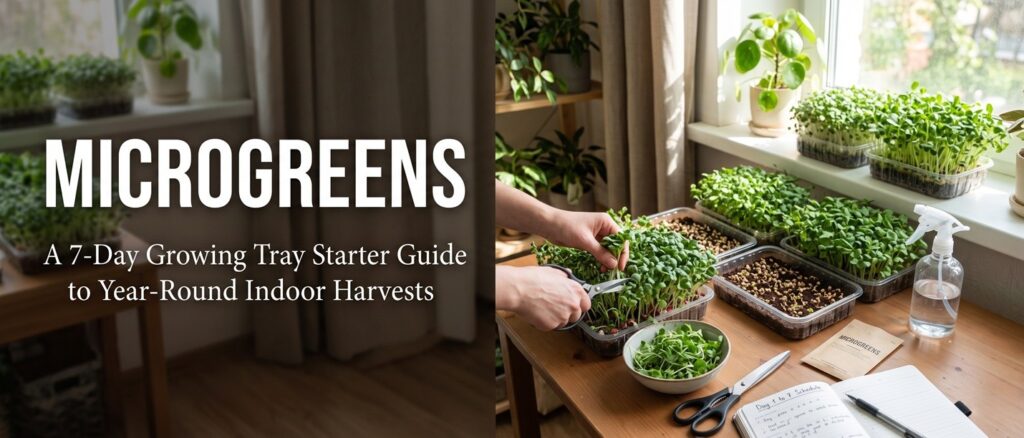
- Seed starting setup: A 2-foot T5 or LED shop light 3-4 inches above the seedlings (raised as they grow), on a 16-hour timer. Use a heat mat underneath for germination.
- Single specimen plant: A clip-on full-spectrum LED with adjustable gooseneck, positioned 8-12 inches above the plant, on a 12-hour timer.
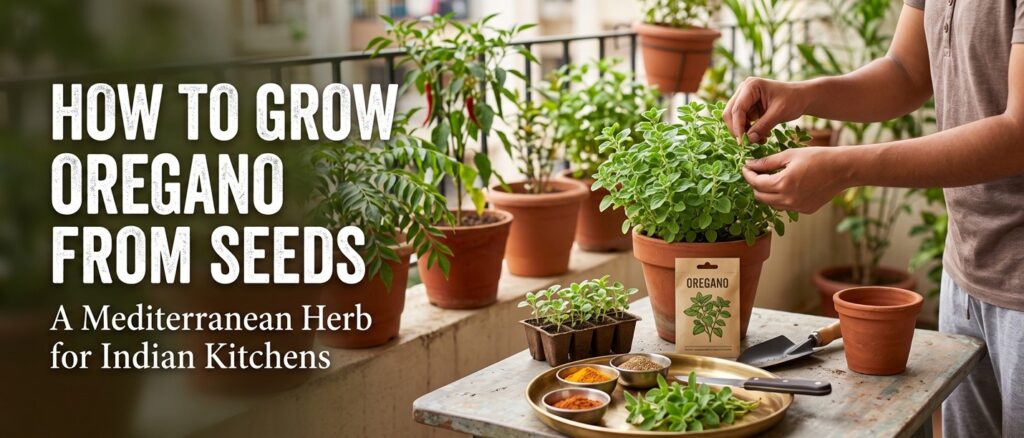
- Kitchen herb garden: A small full-spectrum LED under cabinet lighting kit, 6-8 hours per day, positioned 8-10 inches above the herbs.
Signs Your Plants Need More Light
If your plants are showing any of these symptoms, a grow light might be the answer: slow or no growth, small new leaves, long spaces between leaves on stems (etiolation), pale or yellowish color, leaning strongly toward the window, variegated varieties reverting to plain green, or failure to flower. Many of these symptoms are attributed to other causes (underwatering, lack of fertilizer, drafts) when insufficient light is the real culprit.
Adding a grow light to a struggling plant often produces visible improvement within two weeks. New growth is larger, more colorful, and more compact. The plant resumes steady growth instead of just surviving. For serious indoor gardeners, grow lights transform what is possible — allowing you to grow herbs, succulents, citrus, and even tomatoes indoors year-round, regardless of your windows.
Only logged-in users can comment
Sign in or create a free account to join the conversation — it takes less than a minute.