

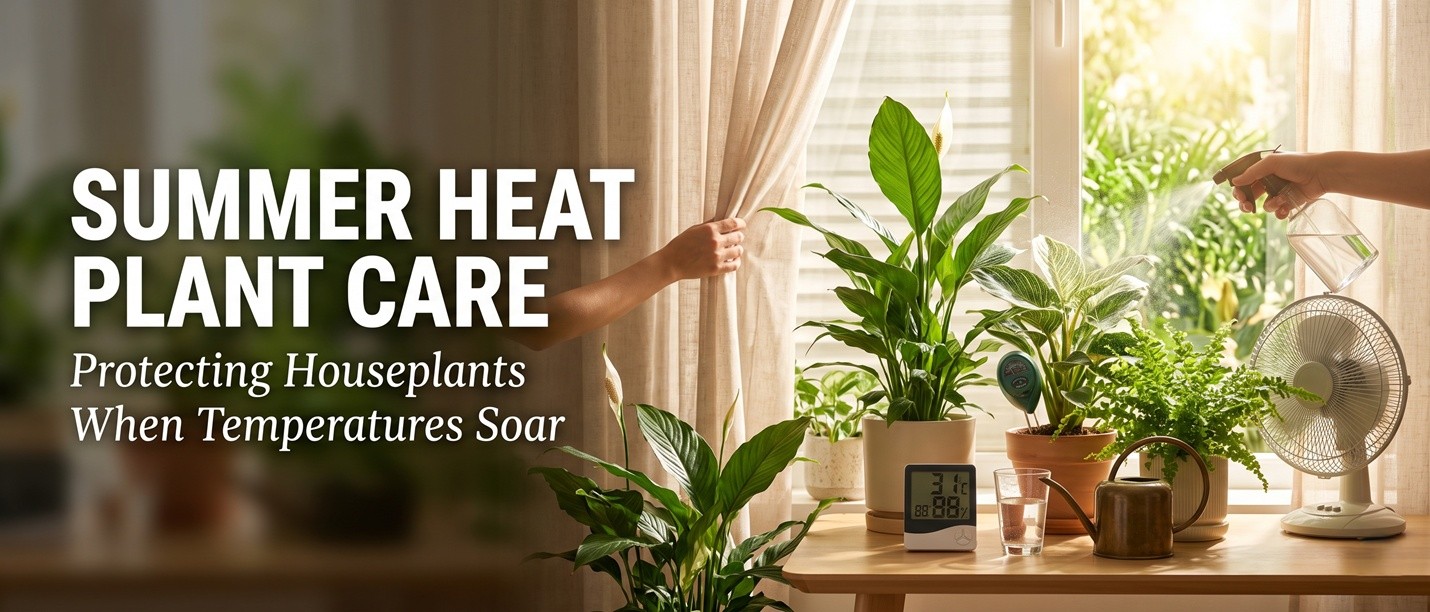
Why Summer Is the Hardest Season for Indoor Plants
Most houseplants evolved as understory tropicals, which means they are adapted to warm but stable temperatures, filtered light, and consistently humid air. A typical Indian or American living room in summer violates all three assumptions: air conditioning dries the air to 30 percent relative humidity, sunny windows blast leaves with three times the light they would receive under a rainforest canopy, and the temperature swings from 18°C at night to 35°C in the afternoon. Plants that happily grew through spring suddenly crisp at the edges, drop leaves, and attract spider mites.
The good news is that summer damage is almost entirely preventable once you understand what is actually stressing the plant. Heat itself is rarely the killer — most tropical foliage plants tolerate 35°C without issue if the roots are healthy and the air is humid. The real culprits are dehydration from dry air, sunburn from intensified window light, and root suffocation when owners panic-water plants that are not actually dry. Address these three factors and your plants will sail through summer without drama.
💡 Tip
If you can only do one thing for your plants this summer, raise the humidity. Grouping plants together, running a humidifier, or even placing shallow trays of water near plants will do more good than any watering-schedule change. Dry air pulls moisture out of leaves faster than roots can replace it, which is why summer crisping often happens on well-watered plants.
Recognizing Heat Stress Before It Becomes Damage
Heat stress shows up on houseplants in a specific sequence, and catching it early lets you intervene before the damage becomes permanent. The first sign is usually leaf curling — leaves curl inward or downward to reduce their surface area and slow transpiration. This is the plant's defense mechanism kicking in, and it is fully reversible if you act within a day or two.
The second sign is leaf edge browning, often called scorch. This happens when the leaf loses water faster than the roots can supply it, causing the cells at the leaf margin (furthest from the veins) to die. Brown edges cannot recover — those cells are dead — but the rest of the leaf will keep photosynthesizing if you fix the underlying cause. The third and most severe sign is whole-leaf yellowing followed by drop, which means the plant is sacrificing older leaves to save itself.
Heat stress warning signs in order of severity:
- Leaf curling — leaves curl inward or downward during the hottest part of the day. Reversible.
- Crispy brown leaf edges — cells at the margins die from dehydration. Permanent but not fatal.
- Wilted appearance despite moist soil — roots cannot keep up with leaf water loss. Urgent.
- Yellowing and dropping of older leaves — plant is sacrificing foliage to survive. Severe.
- Sunburn patches — bleached white or brown spots on the side facing the window. Permanent.
- Stalled new growth — plant is in survival mode and not producing new leaves. Recoverable.
Watering in Summer: More Often, but Not Always
The most common summer watering mistake is assuming every plant needs more water in summer. Some do, some do not. Plants in bright light or small pots will indeed dry out faster and need water every 3-4 days instead of weekly. But plants in dim corners, large pots, or cool air-conditioned rooms may actually use less water than in spring because they slow their growth in response to heat stress. Watering on a fixed schedule rather than by soil moisture is the fastest way to drown a plant in summer.
The fix is to check soil moisture before every watering, either with a finger to the second knuckle or with a cheap moisture meter. If the top 5 cm (2 inches) of soil is dry, water thoroughly until water runs from the drainage hole. If it is still moist, wait another day and check again. In summer this might mean watering a small fiddle leaf fig every 4 days instead of every 7, but a large snake plant in a cool room might still need water only every 3 weeks. Let the plant tell you, not the calendar.
⚠️ Warning
Never water a wilted plant without checking the soil first. Wilting in summer can be caused by both underwatering AND overwatering — the symptoms look identical because in both cases the roots cannot supply water to the leaves. If you water an already-saturated plant, you will rot the roots and kill it within a week. Always check soil moisture before watering a wilted plant.
Light Management: Filtering the Summer Sun
Summer sun is roughly 30-50 percent more intense than spring sun at the same window, because the sun is higher in the sky and the days are longer. A south-facing window that was perfect for a monstera in April may scorch the same plant in June. The simplest fix is to add a sheer curtain between the plant and the window, which reduces light intensity by 30-40 percent without changing the spectrum. This single change prevents most summer sunburn.
If you cannot add a curtain, move sensitive plants 30-60 cm (1-2 feet) back from the window. Light intensity falls off rapidly with distance, so even a small move dramatically reduces the stress on the leaves. Plants that absolutely must be moved away from direct summer sun include calatheas, marantas, ferns, fittonias, and any variegated plant (the white portions of variegated leaves burn first). Succulents, cacti, and most ficus can take the heat but still appreciate some midday filtering.
Humidity: The Single Biggest Summer Lever
Air conditioning is brutal on houseplant humidity. An AC running all day pulls indoor humidity down to 25-35 percent, which is drier than the Sahara Desert. Tropical foliage plants evolved in 60-80 percent humidity and they simply cannot replace water fast enough at 30 percent. This is why leaves develop crispy brown edges even when the soil is moist — the air is stealing water from the leaves faster than the roots can supply it.
The most effective solution is a cool-mist humidifier placed near the plants, run for 6-8 hours a day. This raises local humidity to 50-60 percent and dramatically reduces leaf damage. Cheaper but less effective options include grouping plants together (a cluster of plants maintains 5-10 percent higher humidity than isolated plants), placing plants on pebble trays filled with water (the water must not touch the pot bottom), and misting leaves in the morning (the effect lasts only an hour but provides temporary relief). Skip misting if you have fuzzy-leaved plants like African violets, which rot from water on their leaves.
💡 Tip
A $30 cool-mist humidifier from any pharmacy will do more for your plants than $200 of fertilizer, growth lights, or specialty pots. If you have more than 10 plants in one room, a humidifier is not optional in summer — it is the single highest-impact intervention you can make.
Which Plants Struggle Most in Summer Heat
Not all plants are equally vulnerable to summer stress. Ferns (maidenshair, Boston, bird's nest) are the most sensitive — they collapse almost overnight if humidity drops below 50 percent. Calatheas and marantas follow close behind, with crispy brown edges appearing within days of low-humidity exposure. Fittonias dramatically faint and wilt, though they recover quickly if watered. African violets stop blooming and may develop powdery mildew from the combination of stress and humidity fluctuations.
At the other extreme, succulents, cacti, snake plants, ZZ plants, pothos, and most ficus species sail through summer with minimal intervention. These plants either evolved in arid conditions or have thick waxy leaves that resist water loss. They may grow faster in summer with more light and warmth, but they will not suffer if you miss a watering or the humidity drops. Knowing which of your plants are vulnerable lets you focus your humidity and watering efforts where they matter most.
Pest Pressure in Summer: Spider Mites Love Dry Heat
Spider mite populations explode in summer because they reproduce faster in hot, dry air. A single female can lay 20 eggs per day at 30°C, and those eggs hatch in 3 days — meaning a small mite problem in June becomes a full infestation by July. The first sign of spider mites is fine webbing under leaves, followed by yellow stippling on the leaf surface as the mites feed. By the time you see webbing, the infestation is already well established.
The best summer pest strategy is prevention. Wipe down leaves with a damp cloth every 1-2 weeks to physically remove mites before they multiply. Raise humidity above 50 percent — mites cannot reproduce efficiently in humid air. Inspect new growth weekly, because mites prefer tender new leaves. If you find an infestation, spray the plant thoroughly with insecticidal soap or neem oil, covering both leaf surfaces, and repeat every 5-7 days for three treatments to break the reproductive cycle.
Air Conditioning: Helpful for Temperature, Harmful for Humidity
Air conditioning is a double-edged sword for houseplants. On the positive side, it stabilizes temperature at 22-26°C, which is ideal for most tropical foliage plants. On the negative side, it strips moisture from the air, drops humidity to desert levels, and creates cold drafts when vents blow directly on plants. The net effect is usually negative for humidity-loving plants and neutral to positive for drought-tolerant ones.
Never place a plant in the direct airflow from an AC vent. The cold, dry air will desiccate leaves within hours, causing brown patches and leaf drop. Move plants at least 1 meter (3 feet) away from any vent, and ideally out of the airflow path entirely. If you must place a plant near a vent, redirect the vent louvers away from the plant or use a vent deflector. Plants that tolerate AC best are the same ones that tolerate neglect: snake plants, ZZ plants, pothos, and succulents.
Vacation Prep: Pre-Summer Hardening
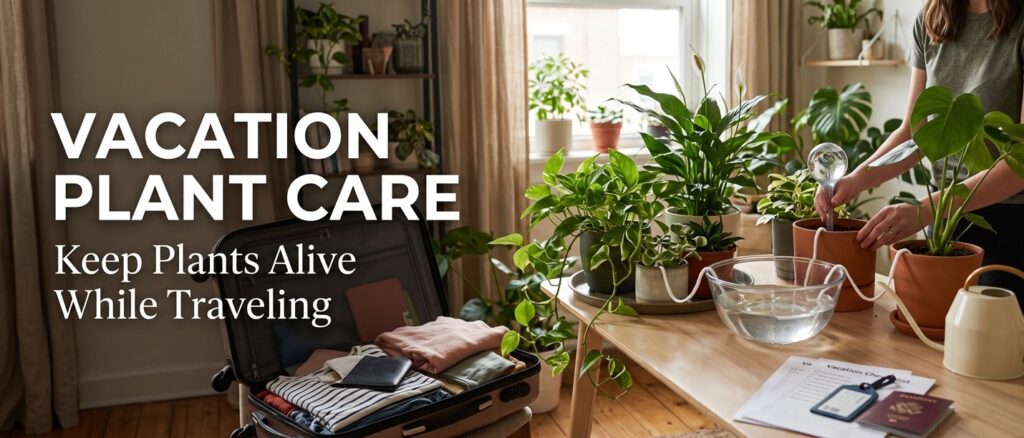
If you travel during summer, prepare your plants a week before departure. Move every plant out of direct sun, group them together to maintain humidity, water deeply the day before you leave, and consider setting up a wicking system for moisture-loving plants. A simple cotton string run from a water bottle to the soil will keep a plant moist for 2-3 weeks. Avoid the temptation to overwater before leaving — a waterlogged plant will rot faster than a slightly dry one.
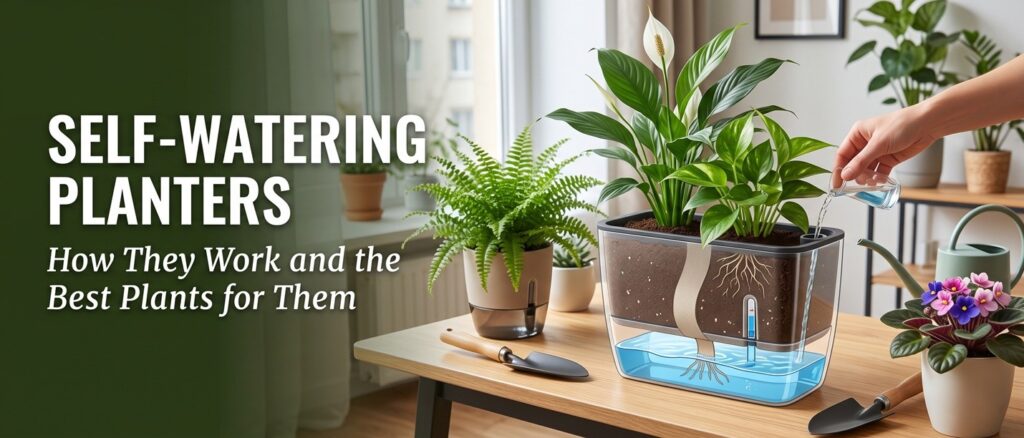
For trips longer than two weeks, consider a plant sitter or a self-watering system. Even a friend who knows nothing about plants can follow a one-page instruction sheet specifying which plants to water on which day. The most important instruction is 'when in doubt, do not water' — overwatering kills plants faster than underwatering, and a slightly dry plant will recover when you return while a rotting plant will not. Clear instructions and a moisture meter take the guesswork out of plant sitting.
Only logged-in users can comment
Sign in or create a free account to join the conversation — it takes less than a minute.