

Why Seeds Need Their Own Mix
Seeds carry enough stored energy to germinate and push their first leaves (cotyledons) above the surface without any external nutrition. What they need from the substrate is moisture, air, and physical support — not fertilizer. In fact, a high-nutrient mix actively harms seedlings by encouraging the growth of fungi and algae that cause damping-off disease, the overnight killer that turns healthy sprouts into collapsed, thread-thin stems.
A dedicated seed-starting mix is fine-textured so tiny roots can penetrate easily, sterile so pathogens do not attack the tender seedlings, and low in nutrients so the seedlings grow sturdy rather than leggy. Once the first true leaves appear and the seedling is established, you can pot it up into a richer mix.
💡 Tip
If you have ever lost a flat of seedlings overnight to what looks like pinched stems at the soil line, that was damping-off. The fix is not a fungicide — it is switching to a sterile seed-starting mix from day one.
The Seed Starting Recipe
This recipe is intentionally minimal — three ingredients, all of them sterile out of the bag. The resulting mix is light brown, fluffy, and almost fluffy to the touch. It holds moisture evenly while draining freely, and the fine texture means even tiny seeds like lettuce or basil make good soil contact.
The standard seed-starting mix:
- 3 parts sifted coco coir (push through a 6 mm mesh to remove fibers and chunks) — fine texture, excellent moisture retention
- 1 part fine perlite (rinse first to remove dust) — prevents compaction and adds air pockets
- 1 part fine vermiculite — holds water and traces of calcium, magnesium, and potassium for the first weeks of growth
Mix thoroughly in a clean tub. The final texture should feel like a soft cake crumb — neither dusty nor fibrous. If you squeeze a handful, it should hold together when compressed but fall apart easily when touched. Add a small splash of water during mixing if the coir feels dry; the mix should be moist but not wet, like a well-wrung sponge.
Sterilizing the Mix (Optional but Recommended)
Coco coir and perlite are commercially sterilized during processing, but if you are reusing pots, trays, or tools, you may inadvertently introduce pathogens. To be safe, you can pasteurize the mix by spreading it in a shallow roasting pan, covering with foil, and baking in an oven at 80°C (175°F) for 30 minutes. Use a meat thermometer pushed into the center of the mix to confirm the temperature stays in the 70–85°C range — too cool and pathogens survive, too hot and you create toxic ammonia compounds.
Most home growers skip this step and have no problems if they start with fresh bagged ingredients. The exception is if you have lost seedlings to damping-off in the past — in that case, sterilize religiously until you break the disease cycle in your growing space.
⚠️ Warning
Never use garden soil, compost, or previously-used potting soil in a seed-starting mix. Even small amounts can introduce Pythium, Rhizoctonia, and Fusarium fungi that cause damping-off. These pathogens are ubiquitous outdoors and impossible to selectively eliminate once introduced.
Filling Trays and Sowing Seeds
Fill your cell trays or pots loosely, then tap the tray firmly on the table to settle the mix and eliminate large air pockets. Do not press the mix down hard — overcompaction is the second most common cause of poor germination after overwatering. Top off any cells that are now below the rim after settling.
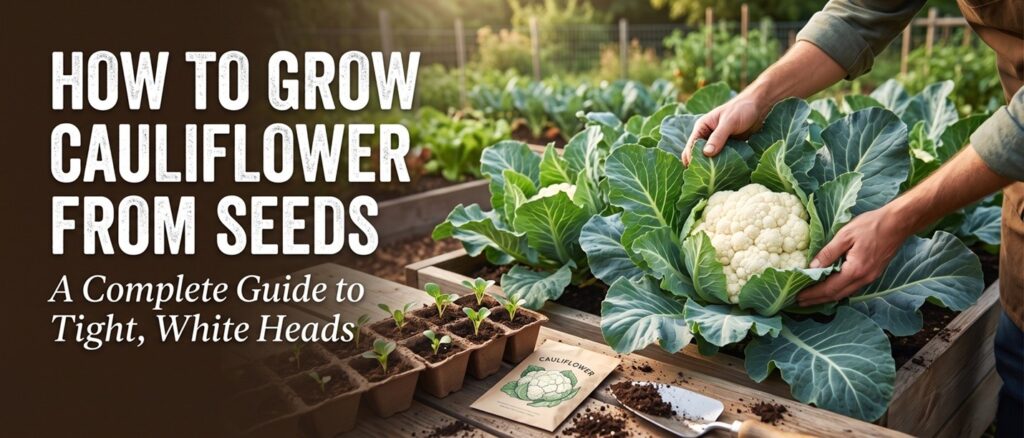
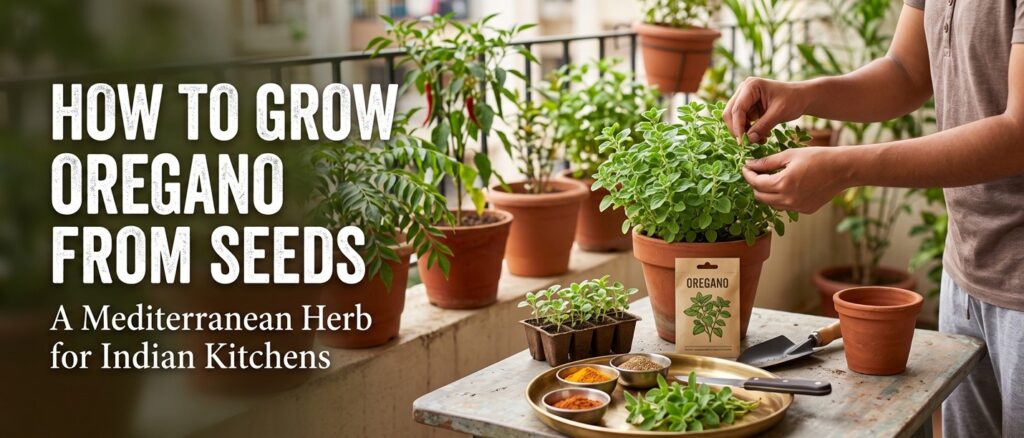
Sow seeds at the depth recommended on the packet, generally two to three times the seed's diameter. For very fine seeds (lettuce, snapdragons, petunias), surface-sow on the moist mix and press gently with a flat board, then mist lightly — covering them with soil will prevent germination. Cover the tray with a humidity dome or clear plastic wrap until germination, then remove immediately to allow air circulation.
Watering and Fertilizing Seedlings
Bottom-water seedlings by setting the tray in a shallow pan of lukewarm water for 15–20 minutes. The mix will wick up moisture evenly without disturbing delicate seeds or washing them to one side of the cell. Top watering, even with a mister, tends to compact the surface and can dislodge germinating seeds.
Because this mix contains essentially no nitrogen, phosphorus, or potassium, begin feeding once the first true leaves appear — usually 10–14 days after germination. Use a balanced liquid fertilizer (anything labeled 10-10-10 or 20-20-20) at one-quarter strength with every watering. Increase to half strength after the seedlings have four true leaves, then transition to full-strength feeding once they are potted up to their final container.
💡 Tip
Place a small fan blowing gently across your seedlings for an hour a day once they emerge. The constant air movement strengthens stems, dries the surface to discourage fungus, and dramatically reduces damping-off losses.
When to Pot Up
Seedlings are ready to move to a richer mix when they have two to four true leaves and roots are just beginning to emerge from the bottom of the cell. Move them into a standard potting mix (one part coir, one part compost, one part perlite is a good general-purpose blend) at the same depth they were growing in the seed tray. Do not bury the stem of vegetables like lettuce or basil, but tomatoes, peppers, and eggplants can be planted deeper — they will grow roots along the buried portion of the stem and become sturdier plants.

Only logged-in users can comment
Sign in or create a free account to join the conversation — it takes less than a minute.