

Why Hardening Off Matters
Indoor-grown seedlings live a pampered life: consistent temperatures, gentle light, still air, regular moisture. Outdoor conditions are brutal by comparison: intense UV radiation, drying wind, temperature swings of 15 to 20 degrees between day and night, irregular moisture. Seedlings transferred directly from indoors to outdoors experience multiple simultaneous stresses and most do not survive the transition. Those that do survive are set back by 2 to 3 weeks while they adapt, losing the head start that indoor sowing was supposed to provide.
Hardening off is the gradual process of acclimating seedlings to outdoor conditions over 7 to 14 days. During this period, the seedlings thicken their cuticle (the waxy outer layer of the leaf that protects against UV and water loss), strengthen their cell walls (which makes stems sturdier and more wind-resistant), and adjust their photosynthetic machinery to the higher light levels. Properly hardened-off seedlings transplant with minimal setback and resume growth within days. Skipping this step is the single most common cause of transplant failure in home vegetable gardens.
💡 Tip
Schedule hardening off 7 to 10 days before your planned transplanting date. Mark both dates on your calendar when you sow the seeds. Working backward from the transplant date, count back 6 to 8 weeks for the sowing date — this gives you a complete seed-to-garden timeline. Forgetting to account for hardening off is a common oversight that leads to seedlings being held indoors too long, becoming root-bound and leggy.
The 10-Day Hardening-Off Protocol
Days 1 to 2: Place seedlings outdoors in a sheltered, shady location (under a tree, on a covered porch, or in the shade of a building) for 2 to 3 hours. Choose a calm day with temperatures above 10 degrees Celsius. Bring them back indoors after the exposure period. The goal is to introduce them to outdoor air and slight temperature changes without exposing them to direct sun or wind. Do not water during this exposure unless the soil is dry — slight drying stress encourages root growth.
Days 3 to 4: Increase outdoor time to 4 to 6 hours, still in shade. Introduce gentle morning sun for 30 to 60 minutes. Watch for signs of stress: wilting that does not recover, white or brown patches on leaves (sunburn), purple coloration (anthocyanin production in response to stress). If stress appears, back off — return to the previous day's exposure level for 1 to 2 days, then try again. Some species (tomatoes, peppers, squash) harden off faster than others (lettuce, brassicas, onions).
Days 5 to 6: Increase outdoor time to 6 to 8 hours, including 2 to 3 hours of direct morning sun. Move to a location with more exposure to wind (still not full wind, but not the calmest spot). Begin reducing water slightly — let the soil dry a bit more between waterings than you did indoors. This encourages the seedlings to develop deeper root systems in search of moisture.
Days 7 to 8: Increase to 8 to 10 hours outdoors, including 4 to 5 hours of direct sun. The seedlings should now tolerate full morning sun and partial afternoon sun. They can stay out overnight if nighttime temperatures are above 7 to 10 degrees Celsius (check the specific crop — tomatoes and peppers want 10+ degrees, brassicas and lettuce tolerate 5+ degrees). If nighttime temperatures are forecast to drop below the crop's tolerance, bring them indoors for the night.
Days 9 to 10: Seedlings are now outdoors full-time in their final exposure (full sun for sun-loving crops, partial shade for leafy greens). They should be in their final transplant location, getting used to the specific microclimate. By the end of day 10, they are ready to transplant. Water thoroughly the day before transplanting to ensure the plants are fully hydrated before the stress of being moved.
⚠️ Warning
If a storm or extreme weather is forecast during the hardening-off period, pause the protocol and bring the seedlings back indoors. Strong wind, heavy rain, or temperatures below 5 degrees Celsius can kill hardening-off seedlings in hours. Resume the protocol when weather improves, starting back 1 to 2 days from where you left off. Do not try to push through bad weather — the seedlings will recover from a pause but not from being frozen or battered.
Crop-Specific Hardening-Off Notes
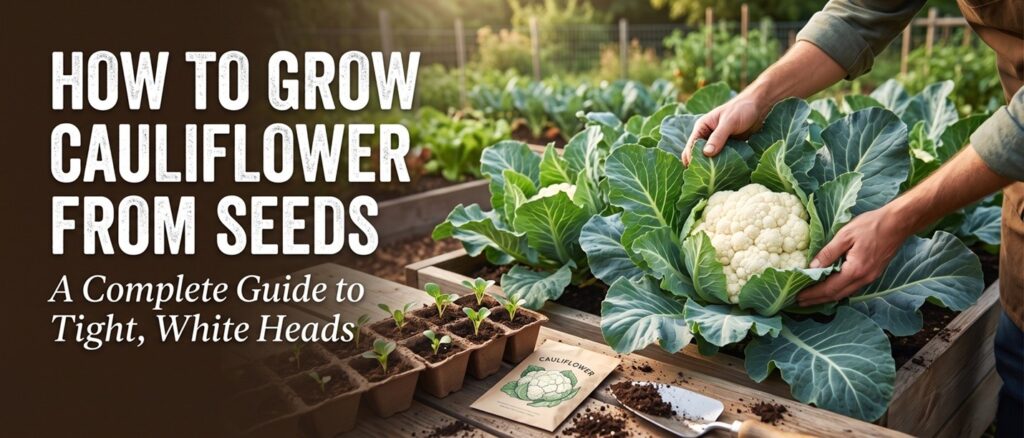
Different crops have different hardening-off requirements. Tomatoes, peppers, and eggplants are sun-loving warm-season crops that need full sun by the end of the hardening-off period. They also want warm nights (10+ degrees Celsius) — cold nights during hardening off can stunt them permanently. Lettuce, spinach, and other leafy greens are cool-season crops that prefer partial shade during hardening off and tolerate cold nights (5+ degrees). Brassicas (cabbage, broccoli, cauliflower) are similar to leafy greens but more sun-tolerant.
Cucurbits (cucumbers, squash, melons, pumpkins) are particularly sensitive to transplanting and should be handled gently throughout the process. They have fragile root systems that do not recover well from disturbance. Consider direct sowing them in the garden rather than transplanting, or grow them in biodegradable pots (peat pots, cow pots, or newspaper pots) that can be planted directly in the ground without disturbing the roots. Onions and leeks are tough and tolerate hardening off easily — they can often go from indoor grow lights to the garden in 5 to 7 days.
Crop-specific hardening-off duration:
- Tomatoes, peppers, eggplant: 10 days (sun-loving, warm nights required)
- Cucumbers, squash, melons: 7-10 days (very fragile roots)
- Brassicas (cabbage, broccoli): 7-8 days (cool-tolerant)
- Lettuce, spinach, greens: 7-8 days (partial shade)
- Onions, leeks: 5-7 days (very tough)
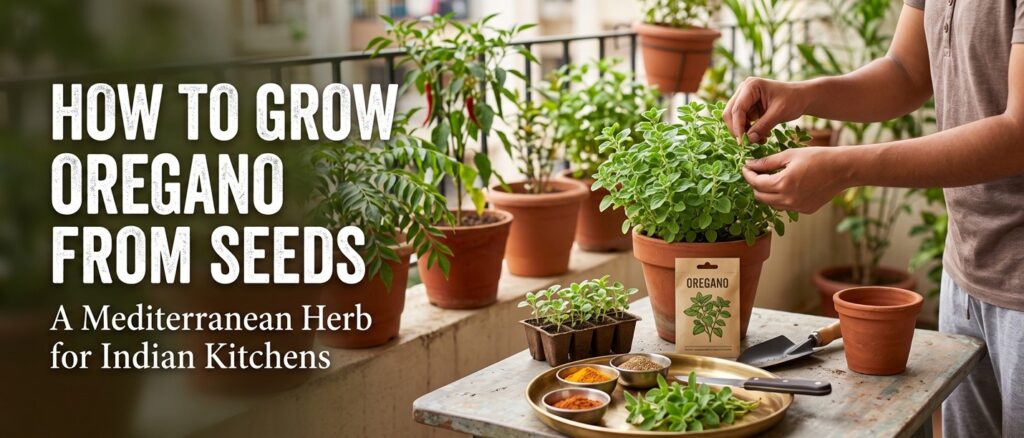
- Herbs (basil, oregano, thyme): 7-10 days (variable by species)
Transplanting Day and Aftercare
Choose a transplanting day that is overcast or has light rain — bright sun on the first day after transplanting stresses the seedlings. Transplant in the late afternoon or evening if possible, so the seedlings have overnight to recover before facing a full day of sun. Water the seedlings thoroughly a few hours before transplanting so the root ball is moist and holds together. Dig the planting hole, gently remove the seedling from its pot (support the root ball, do not pull the stem), place in the hole at the same depth it was growing (deeper for tomatoes), firm the soil around it, and water immediately with a diluted starter fertilizer (high in phosphorus) to encourage root growth.
For the first 3 to 5 days after transplanting, provide some protection from intense sun and wind. A temporary shade structure (a piece of shade cloth on stakes, an overturned bushel basket, a row cover) shields the seedlings while they recover. Water daily for the first week (the root system is still small and cannot reach deep moisture). After the first week, gradually reduce watering frequency to encourage the roots to grow deeper. Hold off on fertilizing for 2 to 3 weeks — the seedlings need to focus on root growth, not top growth, during the establishment phase.
💡 Tip
If you forget to harden off seedlings and must transplant them directly, provide immediate protection with a row cover (Reemay or Agribon fabric) suspended on hoops over the plants. The row cover reduces light by 15-20%, raises the temperature by 2-4 degrees, and blocks wind. Leave it in place for 5-7 days, then remove. This is not as effective as proper hardening off but is much better than nothing. Many seedlings will survive with this emergency protection.


Only logged-in users can comment
Sign in or create a free account to join the conversation — it takes less than a minute.