

Why Mulch Belongs on Indoor Pots Too
Mulch is usually associated with outdoor garden beds, but it serves the same functions on potted houseplants — and in some ways it is even more valuable indoors. A layer of mulch on the soil surface reduces water evaporation by 30-50 percent, which means less frequent watering and more consistent soil moisture. It also suppresses fungus gnats by preventing adult flies from reaching the soil to lay eggs, and it keeps the soil surface looking clean and intentional rather than like exposed potting mix.
The main hesitation plant owners have about mulching is the fear that it will keep the soil too wet and cause root rot. In practice, this only happens if you apply mulch too thickly (more than 2-3 cm) or use a mulch that holds moisture against the stem. A thin layer of the right material actually improves soil health by maintaining more consistent moisture and encouraging beneficial microbial activity in the top few centimeters of soil. The key is choosing the right mulch for each plant type.
💡 Tip
If you struggle with fungus gnats, mulching is one of the most effective single interventions. A 1 cm layer of fine sand or small pebbles on top of the soil prevents adult gnats from laying eggs and breaks the reproductive cycle within 2-3 weeks. This works even better than yellow sticky traps because it addresses the cause rather than just catching adults.
Benefits of Mulching Potted Plants
What mulch actually does for your potted plants:
- Reduces water evaporation from the soil surface by 30-50 percent
- Stabilizes soil temperature, insulating roots from rapid swings
- Suppresses fungus gnat egg-laying by blocking access to the soil surface
- Reduces soil splashing onto leaves during watering (which spreads disease)
- Prevents soil crusting and improves water absorption
- Hides the appearance of soil-borne fungus or mineral deposits
- Adds organic matter to the soil as it slowly breaks down (for organic mulches)
- Creates a clean, finished look that elevates the visual presentation of the plant
Choosing the Right Mulch Material
Different mulch materials have different properties, and the right choice depends on the plant, your watering habits, and your aesthetic preferences. The two main categories are organic mulches (bark, moss, coco coir, compost) that break down over time and add nutrients to the soil, and inorganic mulches (pebbles, LECA, sand, glass) that last indefinitely but contribute nothing nutritionally.
Orchid bark is the most versatile organic mulch for houseplants. It is chunky enough to allow air circulation at the soil surface, breaks down slowly over 6-12 months, and looks natural against most foliage plants. Use it on tropical foliage plants like monstera, philodendron, pothos, and rubber plants. Sphagnum moss works well for plants that like consistently moist surface soil — calatheas, marantas, ferns, and carnivorous plants. It holds moisture against the surface but can become waterlogged if applied too thickly.
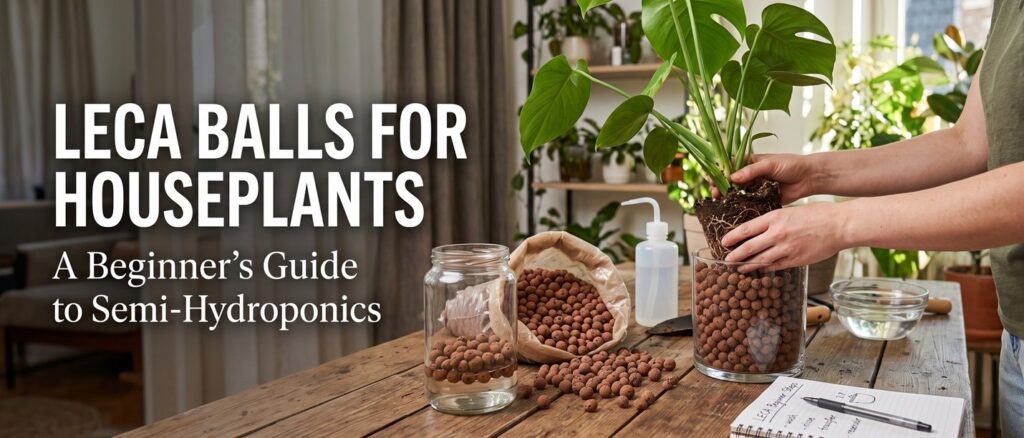
Pebbles and LECA are the best inorganic mulches. They allow excellent airflow at the soil surface, never break down, and create a clean modern look that suits succulents, cacti, and architectural specimens like snake plants and ZZ plants. Fine sand (1-2 mm grain size) is the fungus gnat killer — applied as a 1 cm layer, it dries out quickly between waterings and prevents gnats from laying eggs. Avoid using sand on plants that prefer rich organic soil, as it can compact and reduce drainage over time.
⚠️ Warning
Do NOT use decorative moss (the dyed green Spanish moss sold at craft stores) as a mulch. It is preserved with chemicals that can leach into the soil, and it sheds dyed fibers that contaminate the potting mix. Use only live or naturally dried sphagnum moss from horticultural sources.
How to Apply Mulch Correctly
Applying mulch is simple, but doing it wrong can cause more problems than it solves. Start with a clean soil surface — remove any dead leaves, debris, or existing algae growth. Wait until the soil has dried slightly from its last watering; mulching over wet soil can trap excess moisture and create anaerobic conditions. Apply the mulch in a thin, even layer 1-2 cm deep for organic mulches, or 0.5-1 cm for inorganic mulches. Thicker is not better — thick mulch layers block water from reaching the soil and can suffocate roots.
Critical: leave a 2-3 cm gap between the mulch layer and the plant stem. Mulch piled against the stem creates a humid microenvironment that promotes stem rot, which is often fatal. The mulch should start where the stem ends and extend outward to the pot rim. When watering, water gently to avoid disturbing the mulch layer — a watering can with a fine rose is ideal. If you use a strong stream of water, it will wash the mulch aside and expose the soil.
Mulch application steps:
- Remove dead leaves and debris from the soil surface
- Let the soil dry slightly from the last watering (top 2-3 cm should feel dry)
- Apply a thin, even layer of mulch (1-2 cm for organic, 0.5-1 cm for inorganic)
- Keep mulch 2-3 cm away from the plant stem to prevent rot
- Water gently with a watering can rose to avoid washing the mulch aside
- Refresh organic mulch every 6-12 months as it decomposes
- Rinse inorganic mulch occasionally to remove dust and mineral deposits
Which Plants Benefit Most from Mulch
Not every plant benefits from mulch, and some actively dislike it. Plants that appreciate mulch include moisture-loving tropicals (calathea, maranta, ferns, fittonia, peace lilies), where mulch helps maintain the consistent moisture these plants demand. Plants in bright, warm locations where the soil dries quickly also benefit — the mulch extends the interval between waterings. Mulch is particularly valuable for plants in terra cotta pots, which wick moisture rapidly from the soil.
Plants that should not be mulched include succulents, cacti, and other drought-tolerant species — these plants want their soil to dry completely between waterings, and any mulch that retains moisture promotes root rot. The exception is a thin layer of pebbles or coarse sand, which provides the clean look without holding moisture. Plants that are currently struggling with root rot or overwatering should also not be mulched until they have recovered, as mulch will prolong the wet conditions causing the problem.
Mulch and Watering: Adjusting Your Habits
Once you mulch, your watering frequency will change — usually by 30-50 percent longer between waterings. The mulch reduces evaporation so dramatically that you may find plants that previously needed water every 5 days now need it every 8-10 days. This is the desired effect, but you must adjust your schedule accordingly. Continuing to water on the old schedule will overwater the plant.
To check soil moisture under mulch, push the mulch aside with your finger and feel the soil directly. Do not rely on the mulch surface as an indicator — it will always feel dry even when the soil beneath is wet. Alternatively, use a moisture meter pushed through the mulch into the soil. Over the first month after mulching, monitor the soil moisture carefully to establish the new watering rhythm. Once you understand how the mulch changes drying time for each plant, you can relax back into a routine.
💡 Tip
When you fertilize, push the mulch aside temporarily to apply fertilizer directly to the soil, then replace it. Fertilizer applied on top of mulch may not reach the soil — organic mulches can absorb and hold nutrients, preventing them from reaching the roots. After fertilizing, water thoroughly to wash the nutrients through the mulch layer into the root zone.

Only logged-in users can comment
Sign in or create a free account to join the conversation — it takes less than a minute.