

Preparing Your Plants Before You Leave
The key to keeping your plants alive while traveling starts days before you depart. Healthy, well-established plants withstand neglect far better than stressed ones, so focus on optimizing their conditions beforehand. Water all plants thoroughly the day before your trip, ensuring water drains freely from the bottom of each pot. Move light-sensitive plants away from direct sun exposure to reduce their water needs — a plant in bright light uses significantly more water than one in indirect light. Group moisture-loving plants together to create a humid microclimate that slows evaporation. Finally, prune any dead or yellowing leaves, as dying foliage draws resources the plant could otherwise use to survive your absence.
DIY Self-Watering Solutions for Short Trips (1-7 Days)
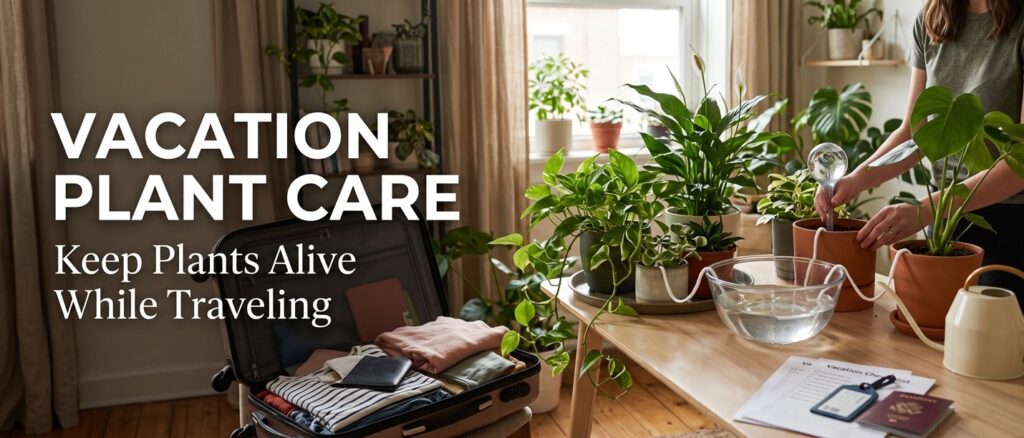
For trips of a week or less, simple household items can create effective self-watering systems that cost almost nothing. These DIY solutions are perfect for plant parents who don't want to invest in commercial automated systems for occasional travel.
- The String Wick Method — Fill a container with water and place it slightly above your plant pot. Thread a cotton string from the water container into the soil of your plant. Capillary action draws water through the string at a consistent rate, keeping the soil moist but not waterlogged. Use thick cotton twine for larger plants and thin string for smaller ones.
- The Plastic Bag Greenhouse — For humidity-loving plants, place a clear plastic bag over the plant, securing it loosely at the base with a rubber band. Insert a few stakes to keep the bag off the foliage. The bag traps moisture released through transpiration, creating a mini-greenhouse that can sustain plants for up to two weeks. Punch a few small holes for air circulation to prevent mold.
- The Water Bottle Drip — Poke a tiny hole in the cap of a plastic water bottle, fill it with water, and invert it into the soil. The water drips slowly into the root zone over several days. Adjust the flow rate by making the hole larger or smaller. A 1-liter bottle can water a medium plant for 3-5 days.
- The Bathtub Method — For plants that prefer consistently moist soil, line your bathtub with a damp towel, place your plants in an inch of water, and close the shower curtain or door to maintain humidity. This creates a humid microclimate that can sustain moisture-loving plants for up to a week.
- Ice Cube Trick — Place several ice cubes on top of the soil. As they melt slowly, they provide a gradual, controlled watering that prevents sudden flooding. This works well for smaller plants and those that prefer consistently moist (not wet) soil.
Smart Automated Watering Systems for Longer Trips
For extended vacations of two weeks or more, investing in an automated watering system provides reliable, consistent care without requiring a human plant sitter. Modern smart watering systems range from simple mechanical timers to app-controlled devices you can monitor from anywhere in the world.
- Drip Irrigation Kits — Battery-powered timer systems connect to your water supply and deliver precise amounts of water through drip emitters on a programmable schedule. Kits start at around $25 and can water 10-20 plants simultaneously. Set them to water early morning for maximum absorption and minimal evaporation.
- Smart Plant Sensors — WiFi-connected moisture sensors monitor your soil conditions in real-time and send alerts to your phone when watering is needed. Some integrate with smart watering valves for fully automated care. Popular options include the Xiaomi Mi Flora and the Parrot Pot.
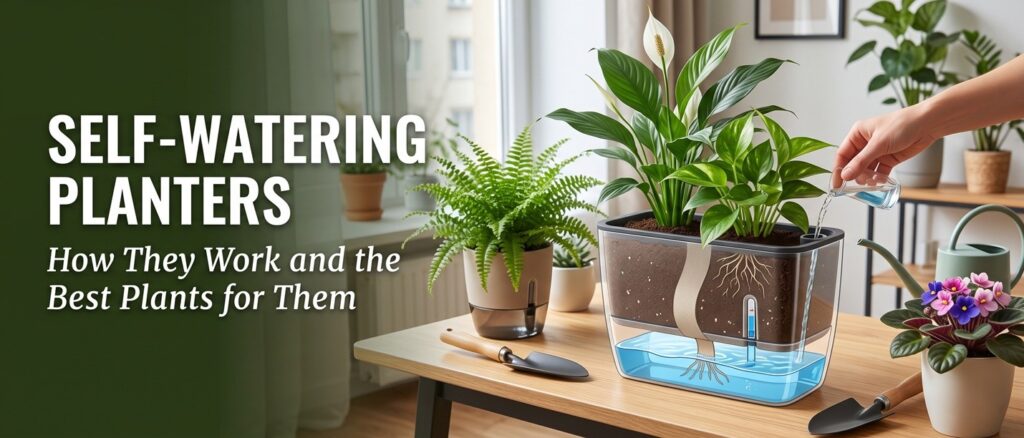
- Self-Watering Planters — Planters with built-in water reservoirs can sustain plants for 1-4 weeks depending on the reservoir size and plant's water needs. The wicking system draws water up into the soil as needed, eliminating the risk of over- or under-watering.
- Capillary Mats — Used by professional greenhouses, capillary mats draw water from a reservoir and distribute it evenly to plants standing on them. They're ideal for large collections of small to medium plants and can last 2-3 weeks between refills.
Finding and Instructing a Plant Sitter
For valuable or sensitive plants, a human plant sitter remains the most reliable option. Choose someone who has experience with houseplants, and provide clear, written instructions for each plant. Include the plant name, watering frequency (e.g., 'Water when the top 2 inches of soil are dry'), approximate amount of water, and any special requirements. Group plants by their care needs and label them clearly. For plant sitters who might overwater (a common problem), provide a moisture meter and instruct them to check before watering. Show your sitter exactly how you water each plant during a walkthrough before you leave.
Post-Travel Plant Recovery
Don't be alarmed if your plants look droopy when you return — most will recover quickly with proper care. Resist the urge to overwater wilting plants, as this can cause root rot in already-stressed specimens. Instead, give them a thorough but measured watering and place them in their preferred light conditions. Trim any dead or severely damaged foliage to redirect the plant's energy toward healthy growth. For severely dehydrated plants, bottom-watering (placing the pot in a bowl of water for 30 minutes) allows the soil to rehydrate evenly from the bottom up. Most plants will show significant improvement within 48-72 hours of proper care.
💡 Pro Tip: The Gravel Tray Humidity Boost
Before leaving for any trip, place your plants on trays filled with pebbles and water. The water level should sit just below the tops of the pebbles so the pots don't sit in standing water. As the water evaporates, it creates a humid microclimate around each plant, significantly reducing water loss through transpiration. This simple technique can extend the time between waterings by 2-3 days for most houseplants and is especially effective for tropical species that struggle in dry indoor air.
Only logged-in users can comment
Sign in or create a free account to join the conversation — it takes less than a minute.