

Why Seasonal Care Matters
Plants are living organisms that respond to the rhythms of nature, even when they live indoors. As daylight hours, temperatures, and humidity levels shift throughout the year, your plants metabolic processes change too. Treating every season the same is a recipe for stressed, struggling plants. By aligning your care routine with natural cycles, you work with your plants rather than against them, resulting in stronger growth, better blooms, and fewer pest problems year after year. A seasonal approach to plant care also helps you stay organized, spreading tasks across the year rather than scrambling to fix problems that could have been prevented with timely attention.
Spring (March – May): The Season of Renewal
Spring is the most active and important season for plant care. As days lengthen and temperatures rise, your plants wake from winter dormancy and begin pushing new growth with renewed vigor. This is the time to address any issues that developed over winter and set your plants up for a successful growing season.
Spring care priorities:
- Repot plants that have outgrown their containers or need fresh, nutrient-rich soil to fuel the growing season ahead
- Resume regular fertilizing with a balanced formula at half strength, gradually increasing to full strength over a few weeks
- Prune leggy winter growth to encourage bushy, compact new branches and remove any dead or damaged foliage
- Check thoroughly for pests that may have overwintered on your plants, paying special attention to undersides of leaves and stem joints
- Gradually increase watering frequency as growth accelerates and days grow longer and warmer
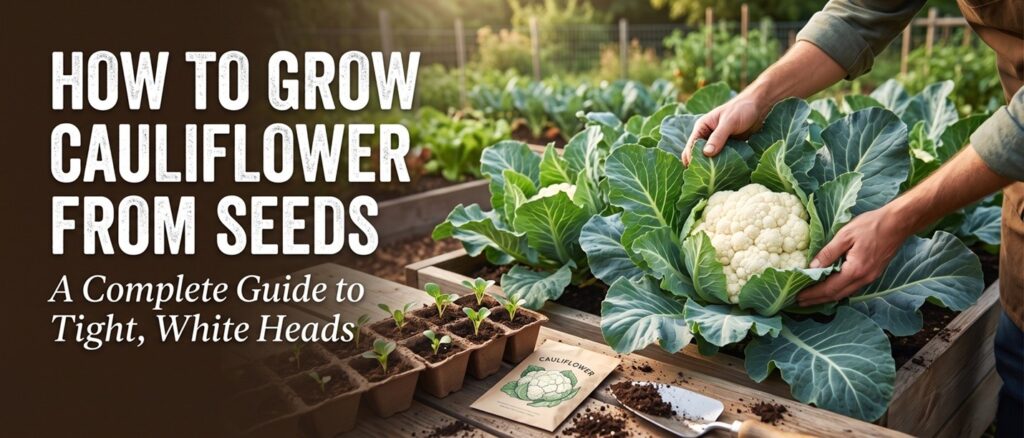
- Start seeds indoors for outdoor summer gardens, and propagate cuttings while plants are actively growing
- Move cold-sensitive outdoor plants outside only after the last frost date for your region has passed
Summer (June – August): Peak Growing Season
With long days and warm temperatures, summer is when most plants do their heaviest growing. This is both a blessing and a challenge — your plants need more attention during summer than any other season, but the rewards of proper care are immediately visible as vigorous new growth and abundant blooms.
Summer care priorities:
- Fertilize every two to four weeks with an appropriate plant food matching each species nutritional needs
- Monitor watering closely — heat and increased growth mean higher water needs, and some plants may need daily watering during heat waves
- Watch for heat stress symptoms: scorched leaf edges, wilting despite moist soil, or sunburn on previously shaded leaves
- Increase humidity for tropical plants during dry spells using pebble trays, humidifiers, or grouping plants together
- Take cuttings for propagation while plants are actively growing and rooting hormones are naturally elevated
- Deadhead flowering plants regularly to encourage continued blooming throughout the season
- Stay vigilant for summer pests like spider mites, aphids, mealybugs, and scale that thrive in warm conditions
Fall (September – November): Winding Down
Fall is a transitional season about preparing your plants for the rest period ahead. As daylight hours decrease and temperatures drop, plants naturally slow their growth and begin conserving energy. Your care routine should shift accordingly, gradually reducing interventions to match the slowing pace of plant metabolism.
Fall care priorities:
- Gradually reduce fertilizing and stop completely by late October — forcing growth during dormancy weakens plants
- Bring outdoor plants inside before nighttime temperatures consistently drop below ten degrees Celsius
- Inspect all plants thoroughly for pests before bringing them indoors — treat any infestations to prevent spread
- Reduce watering frequency as growth slows and days shorten, allowing soil to dry more between waterings
- Clean dust off leaves to maximize light absorption during shorter days — this simple step makes a significant difference
- Plant spring-blooming bulbs outdoors before the ground freezes for a colorful display next year
Winter (December – February): Rest and Recovery
Winter is the quiet season for indoor plants. Resist the urge to over-care for your collection during this period. Your plants are resting, and the best thing you can do is provide stable conditions and leave them largely alone. Over-attention during winter — especially overwatering and over-fertilizing — causes more harm than neglect in most cases.
Winter care priorities:
- Water sparingly — most plants need significantly less moisture during their dormant winter period
- Do not fertilize; let plants rest naturally during their dormant period without chemical stimulation
- Move plants away from cold drafts near windows and exterior doors, as well as heating vents that create hot, dry zones
- Supplement with grow lights if natural light is insufficient for maintaining healthy foliage
- Avoid repotting unless absolutely necessary; spring is a much better time when the plant can recover quickly
- Monitor humidity carefully — indoor heating creates very dry air that damages tropical plants; use humidifiers or pebble trays
💡 Tip
Create recurring reminders on your phone for seasonal tasks like fertilizing, repotting, and pest inspections. Consistency is the secret to a thriving plant collection. Even experienced plant parents benefit from these gentle nudges during busy periods.




Only logged-in users can comment
Sign in or create a free account to join the conversation — it takes less than a minute.